About by style
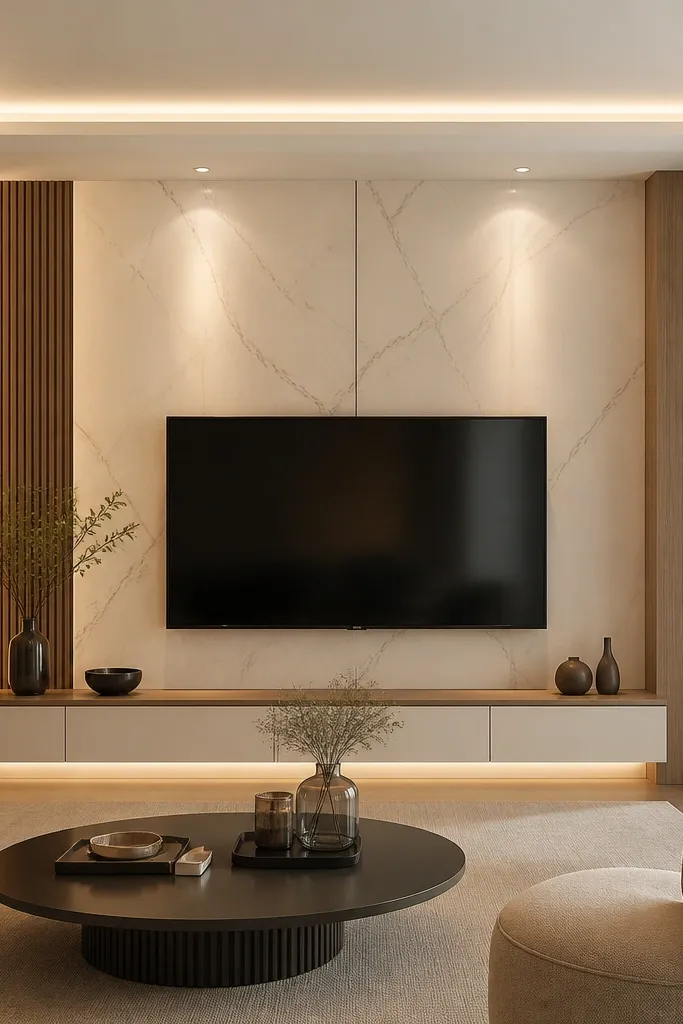
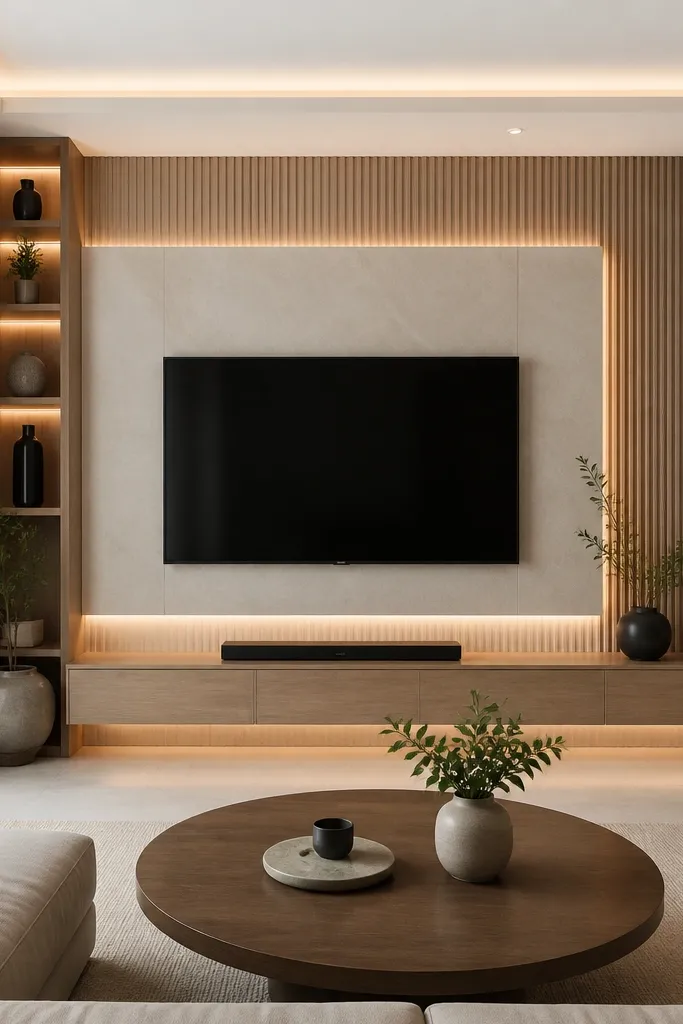
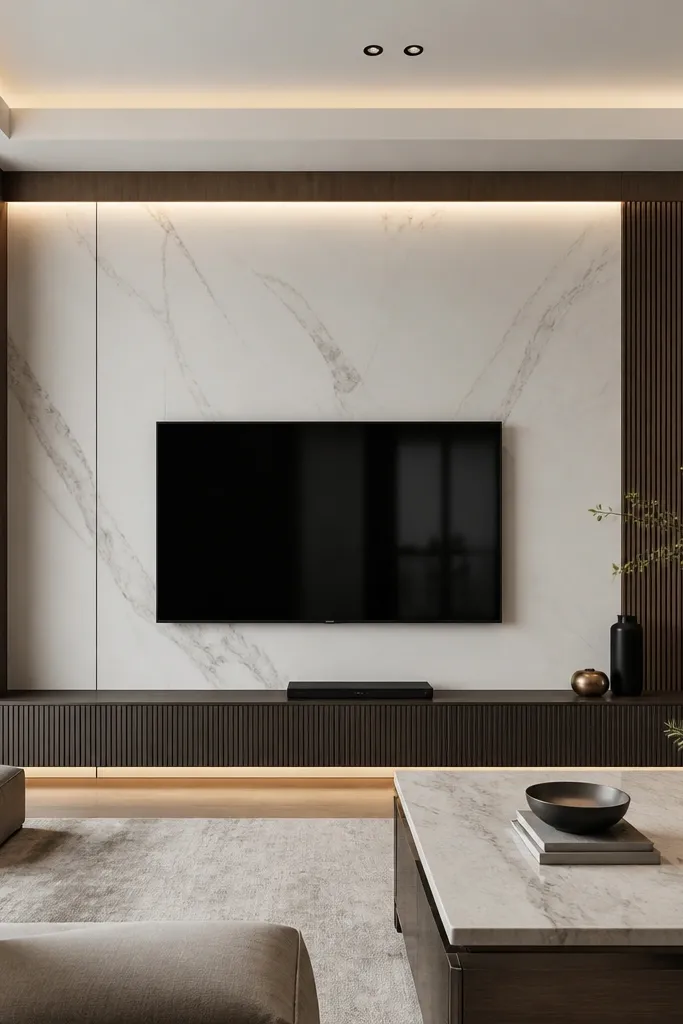
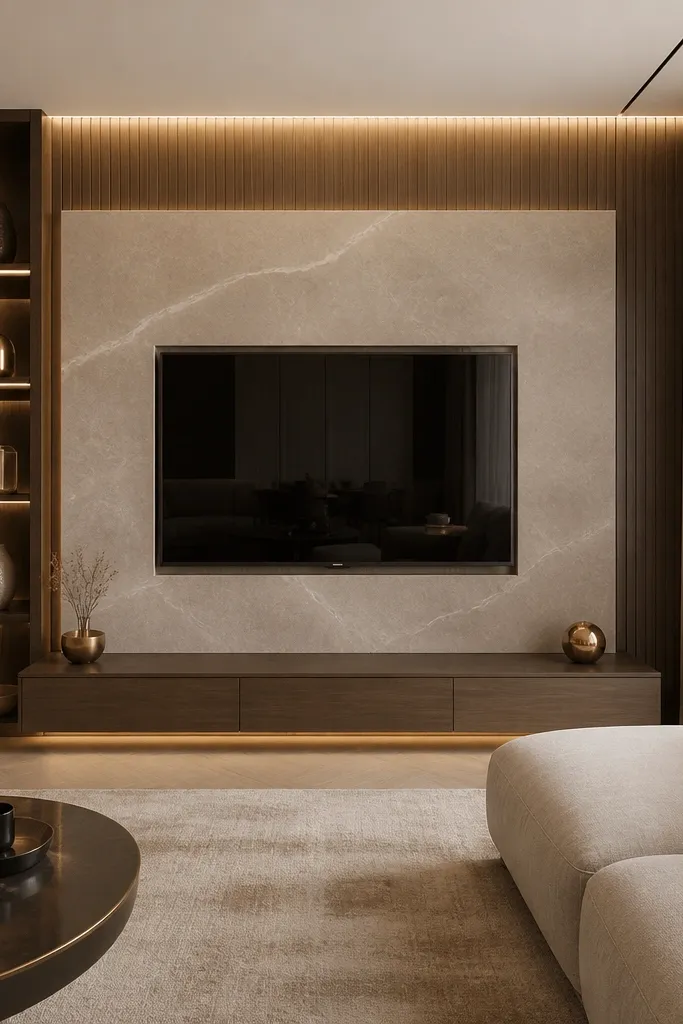
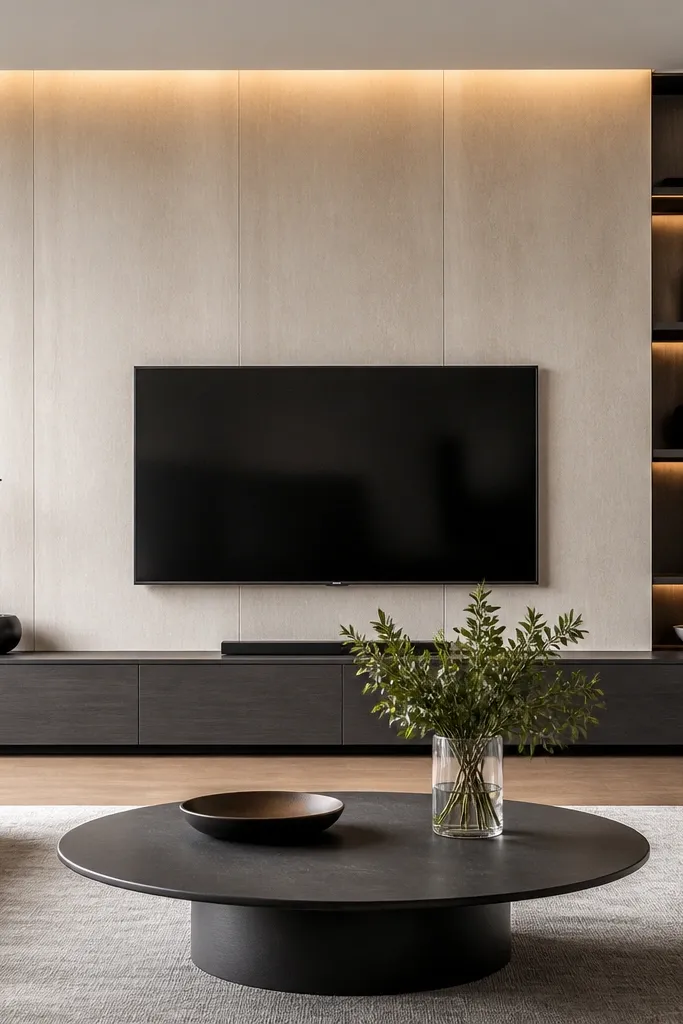
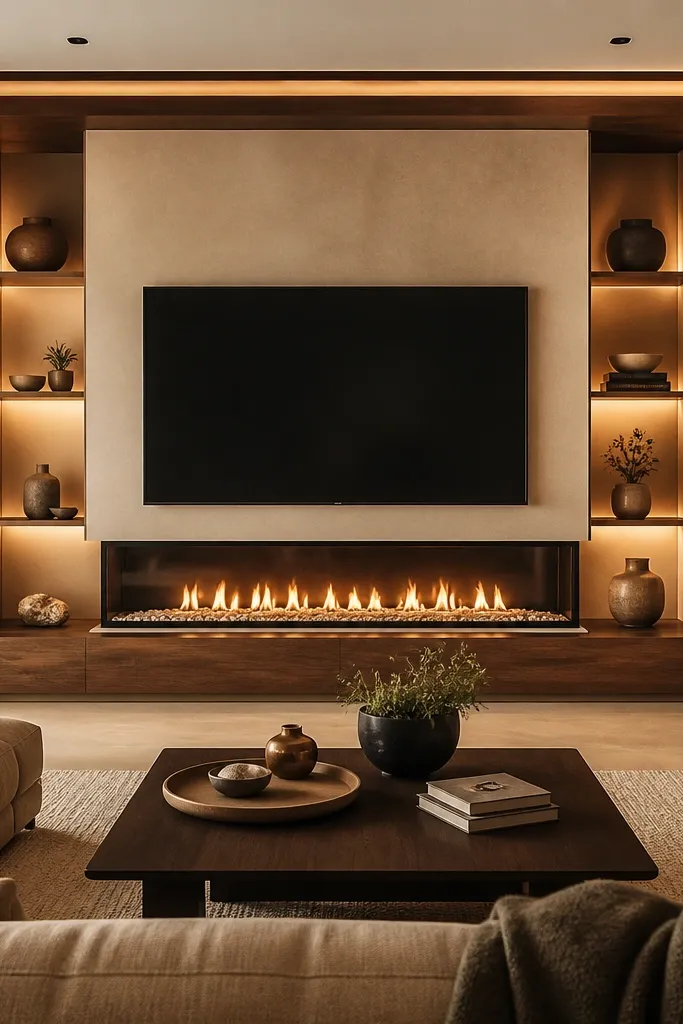
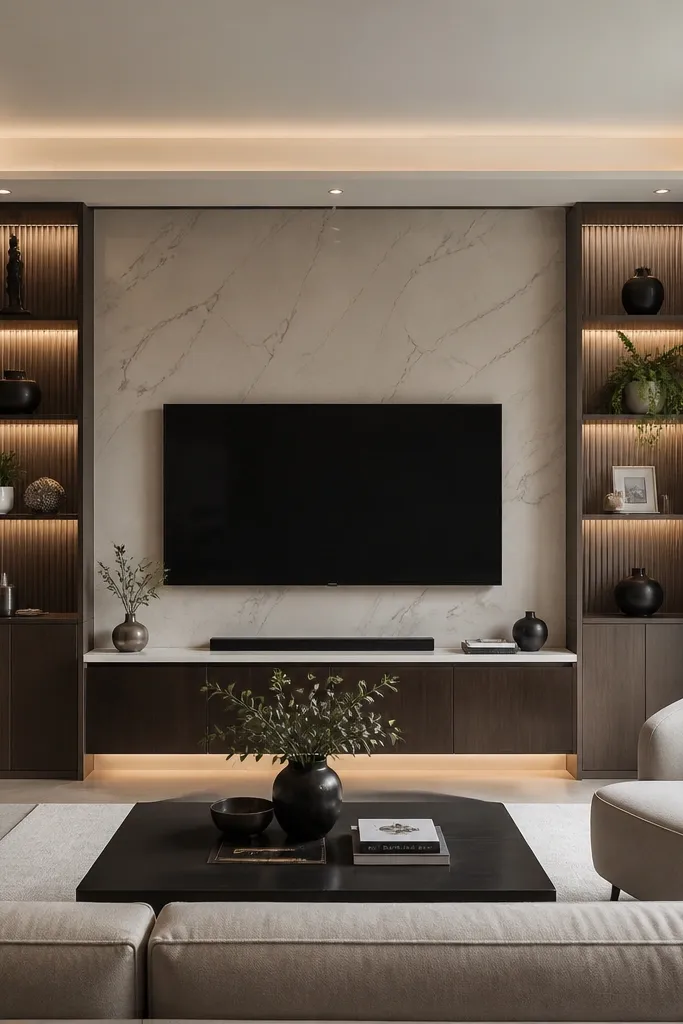
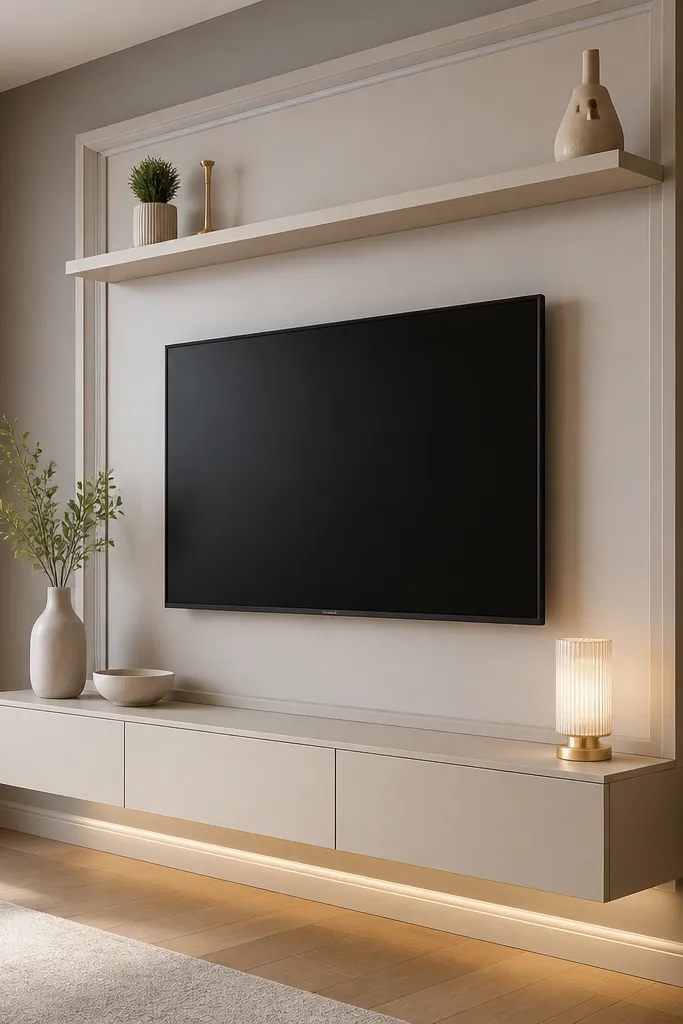
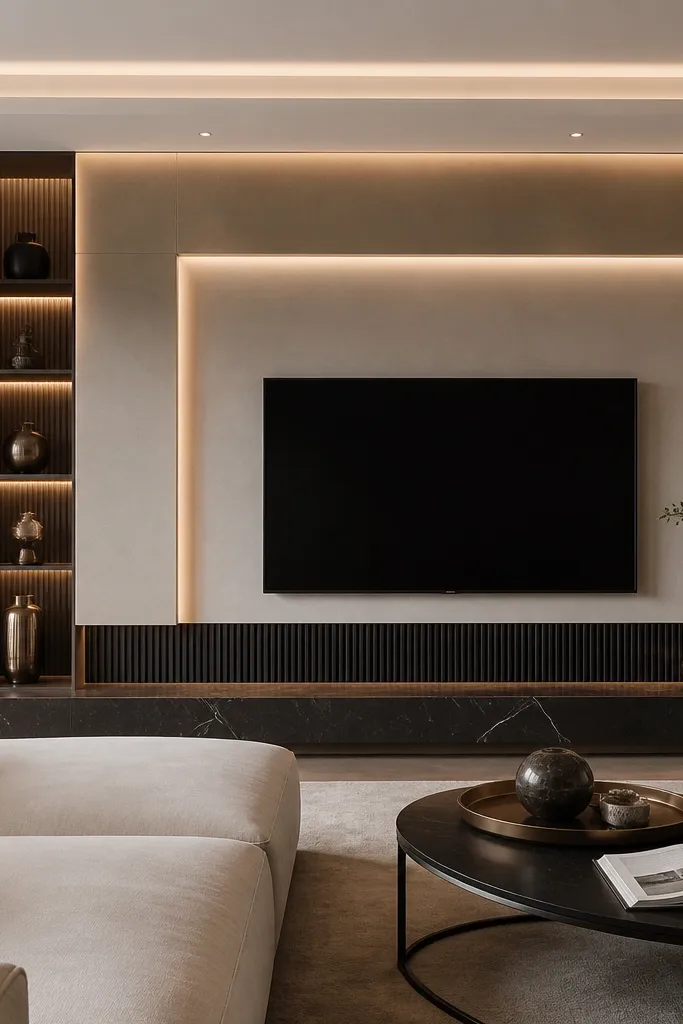
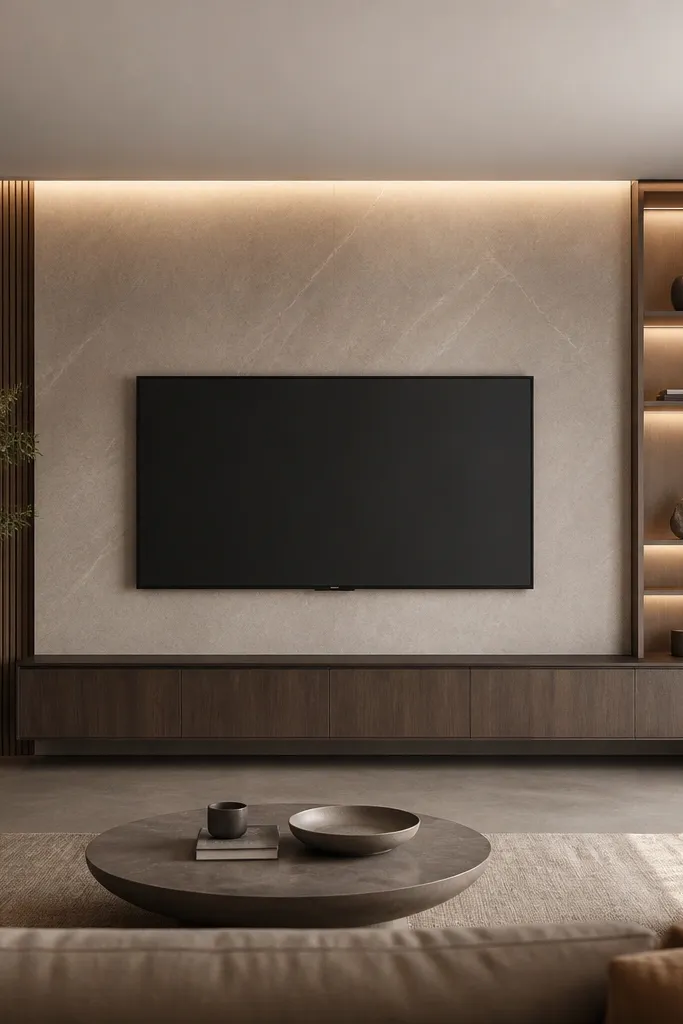
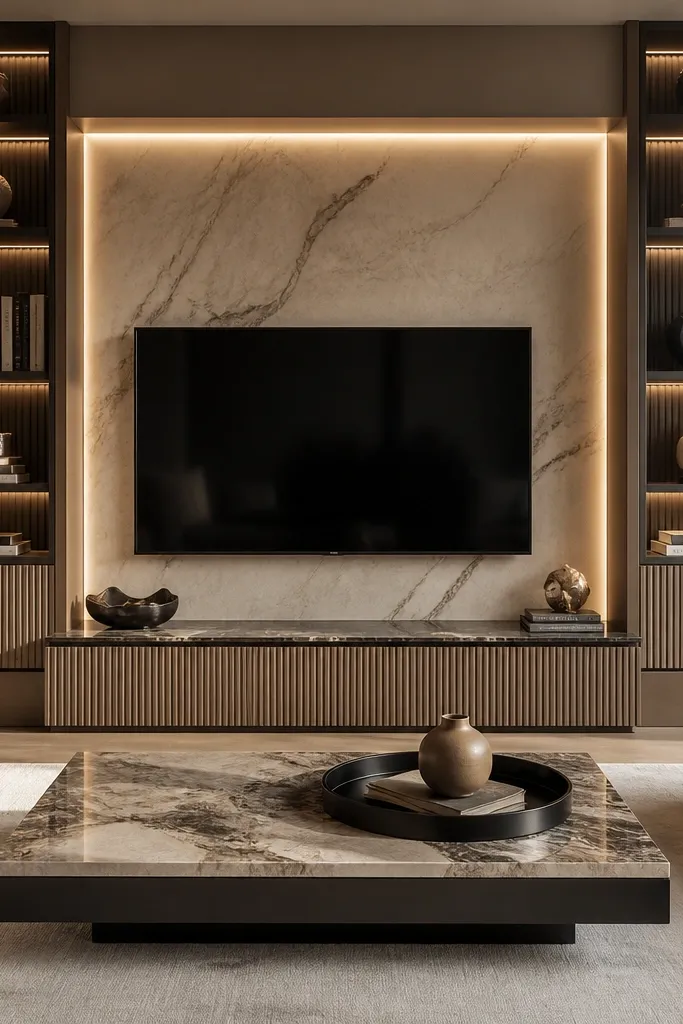
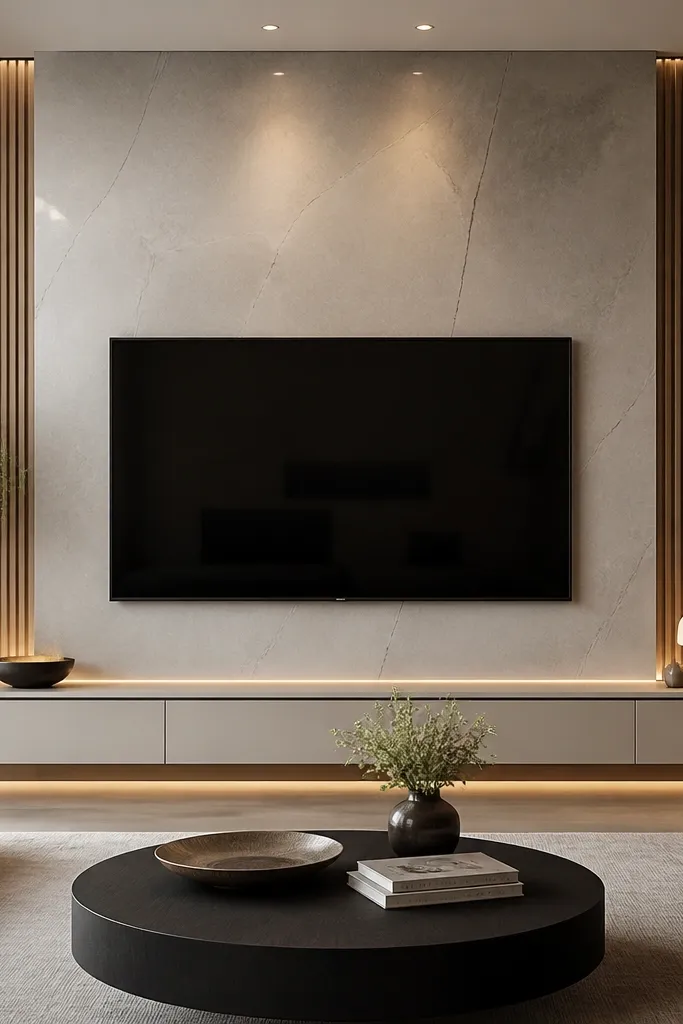
We keep a tight focus on TV wall design by style, because the TV wall is the one part of the room you stare at every day. In this category, House Charm Living gathers our favorite looks — modern minimalist, high-end luxe, and cozy warm — with real design choices you can copy. You will see how we handle the same layout problem in different ways: where the TV sits, how the media area is framed, what the wall finish actually looks like under daylight, and how the whole wall ties into the rest of the room.
Choosing between styles comes down to two things we test in real rooms: contrast and texture. Minimalist TV walls work best when the wall is calm — flat paint, clean lines, and a TV position that feels centered and intentional. Luxe designs lean on material and sheen — think marble-look panels, fluted details, or a darker backdrop that makes the screen feel “set.” Cozy warm designs use layers — warmer wood tones, soft lighting, and a surround that reads comfortable even when the TV is off.
Two pointers we use every time. First, measure the TV height from the floor to the center of the screen and match that to your seating — then plan the surround so the bottom edge of the TV doesn’t fight the shelf or media cabinet. Second, decide your “glow” plan early: if you want lights, choose backlighting or concealed strips behind the frame before you pick the wall finish, because glossy materials can reflect the LED points and cheap-looking hotspots show up fast.
By Style questions, answered
How much does a TV wall design usually cost in real life?
It depends on whether you’re doing a simple surround or building a full feature wall. A budget setup with paint, basic panels, and a media console can land in the low hundreds to a few thousand, while luxe looks with stone-look panels, custom millwork, and lighting usually move into the several-thousand range. If you want the “luxury” finish without the price, we start with a high-impact backdrop (like textured panels or a dark painted wall) and spend on the TV mount, not extra decor.
Do we need carpentry skills to get a modern minimalist or luxe TV wall?
Minimalist looks are the easiest to DIY if you keep the design simple: a straight TV frame, clean cable routing, and one consistent material finish. Luxe walls with fluted details, built-in cabinetry, or stone-look panel layouts are where skills matter, especially for alignment and level. If you’re unsure, do the mount and electrical planning yourself, then hire out the paneling or built-ins for straight lines.
What's the best way to start planning a TV wall design?
Start with three measurements: the TV width, the distance from the floor to the TV center, and the wall space around it. Then pick the wall color or material first, before you decide on the media console — the console should match the wall tone, not fight it. Finally, sketch the cable path from the TV to the power and any media devices so you’re not relocating outlets after the wall is finished.
Common mistakes that ruin the look of a TV wall?
The biggest one is mismatched proportions — a TV that feels too high or too small for the surround makes everything look off. The second is lighting that creates visible LED dots or harsh reflections on glossy panel finishes. We also see people choose a dark backdrop but then add warm wood and cool gray accents without testing the combo under evening lighting.