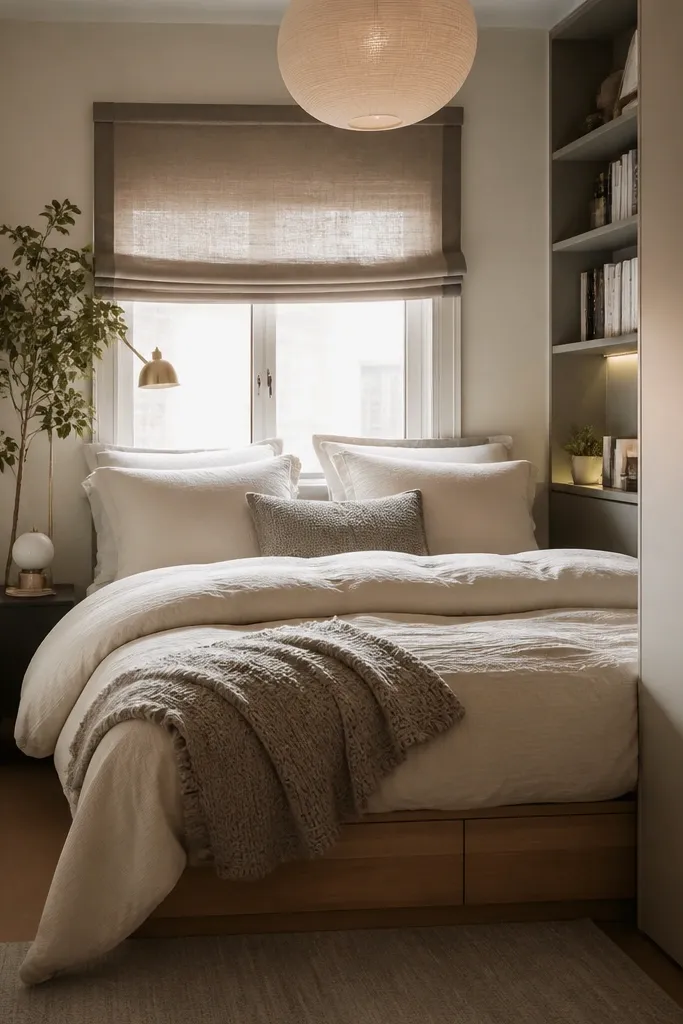
1. Platform bed with visible legs + under-bed bins
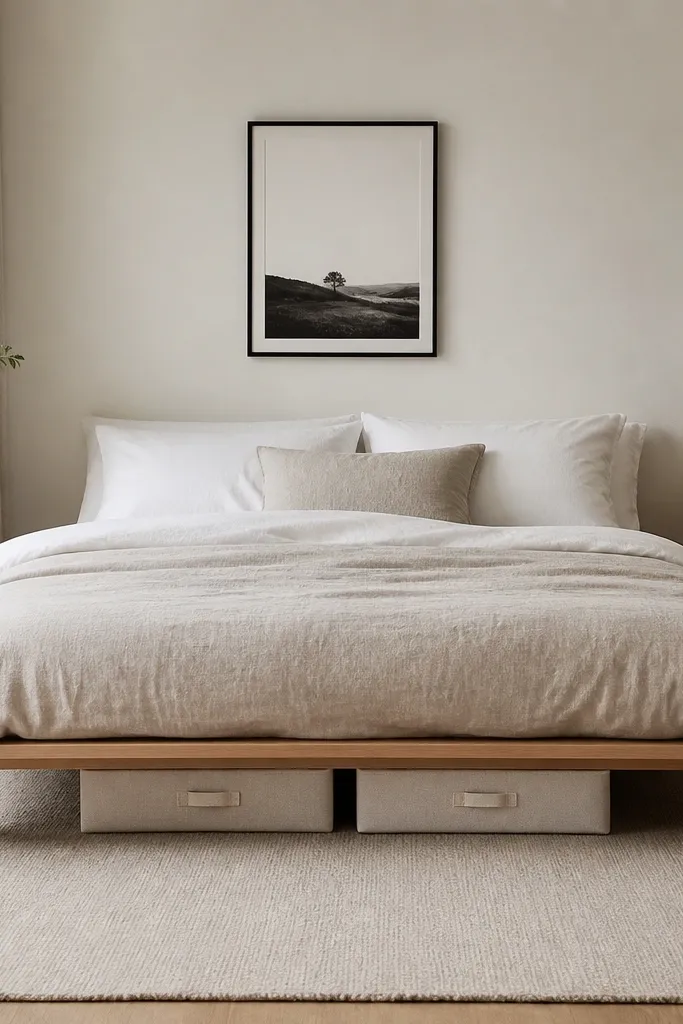
This setup works because the bed looks grounded without turning into a big block. Visible legs trick your eye into seeing more floor area, and that makes the room feel larger even when the footprint stays the same. I like pairing a light wood frame with an off-white bedding base because it bounces daylight and softens the edges. It flatters most skin tones because warm neutrals read gentle in morning light and don’t turn harsh at night. Keep the headboard simple and low so you don’t create a tall visual wall behind your pillows.
Start by measuring the space under your bed height clearance — you want at least 3-4 inches for bins to slide in without scraping. Choose bins that are 1-2 inches narrower than the bed’s interior clearance so they move smoothly. Layer your bedding with one solid duvet in off-white or cream, then add a linen throw folded once at the foot. Finally, place a single small rug that sits under the front half of the bed, not under the whole room, so the floor still looks open.
Good to knowUse fabric bins with a matte finish — plastic catches light and makes clutter feel louder.
AvoidAvoid a thick, upholstered bed frame that touches the floor all the way around.
2. Wall-mounted headboard shelf for bedtime essentials
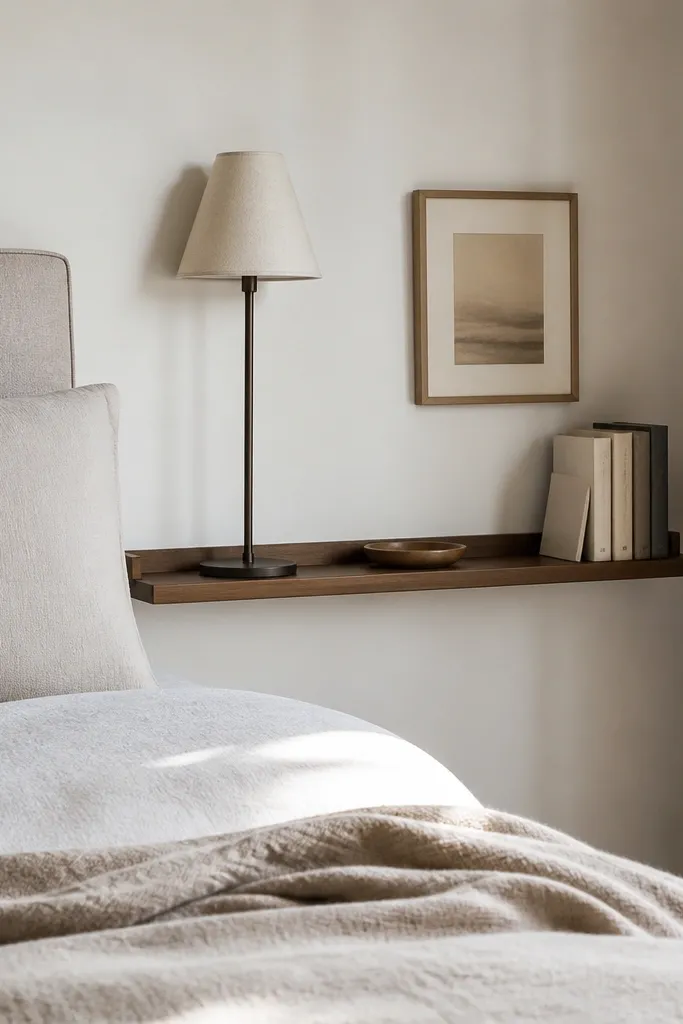
A shelf headboard is the best “nightstand swap” I’ve found for tiny rooms because you keep the floor clear. It also makes the bed area feel intentional — like a hotel room — without adding furniture bulk. I like a shelf that’s 6-8 inches deep because you can fit a lamp base and one book stack without it becoming a catch-all. Warm whites and light wood trims keep the shelf from looking like a floating storage box. This look works especially well if you’re the type who needs water, a book, and a charger within arm’s reach.
Start by choosing shelf depth: 7 inches is a sweet spot for a slim lamp and a phone charger. Mount it so the shelf surface lands about 18-20 inches above the mattress top, then double-check your lamp height so the light doesn’t hit your eyes when you’re lying down. Place one tray centered, then add only two books stacked vertically. Finish by keeping the wall around the shelf clear — one framed print or none at all makes the shelf feel clean.
Good to knowRun a thin cable track or cord sleeve along the wall so the lamp cord doesn’t hang in front of the shelf.
AvoidDon’t mount a deep shelf that forces you to store random items to fill space.
3. Narrow dresser with mirror above (no tall wardrobe feel)
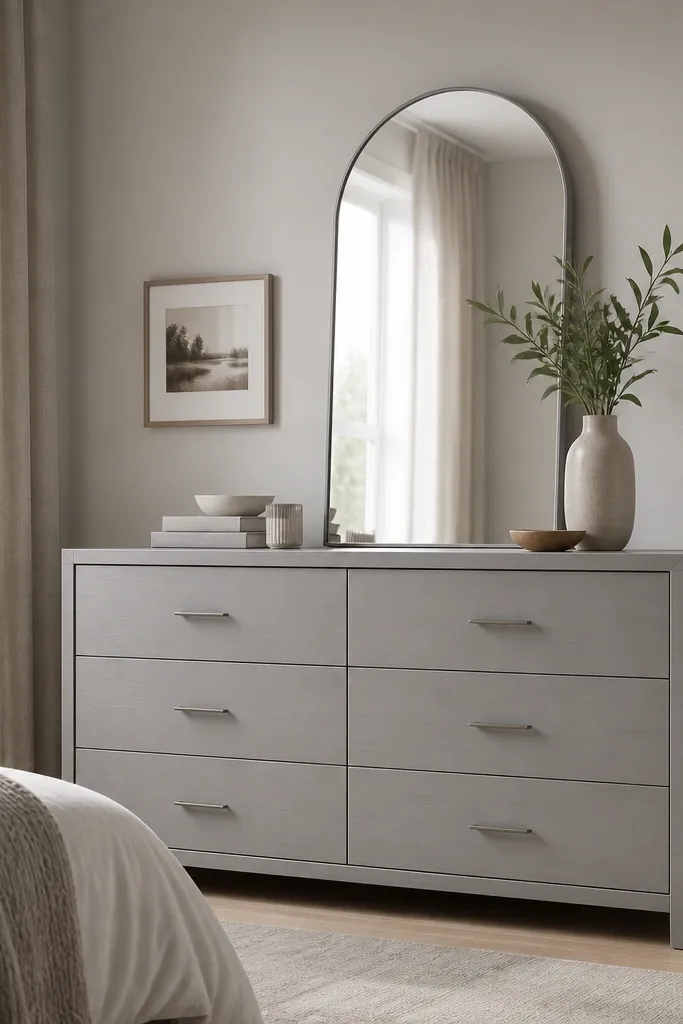
This is one of my favorite Very Small Bedroom Ideas aesthetic moves because it creates storage and light reflection without a bulky wardrobe silhouette. A shallow dresser keeps your walk path open while still giving you drawers for socks, tees, and folded sets. The mirror is doing real work here — it doubles the brightness and makes the room feel longer. I like pale greige walls because they sit between warm and cool, so the mirror reflection stays flattering on different days. It looks best when you keep the top surface minimal: lamp, tray, and one accessory.
Start by measuring the wall where the dresser will go, then measure the door swing so the dresser doesn’t block it when opened. Choose a dresser depth around 12-14 inches and keep the height under 34 inches if you want a lower visual line. Hang the mirror so its bottom edge sits around 60 inches from the floor, which keeps it from looking too low or too high. Style the top with a ceramic tray, a small lamp with a linen shade, and one small framed photo — nothing else.
Good to knowUse a mirror with a thin frame (black or brushed brass) so it doesn’t look like a thick picture frame block.
AvoidAvoid a dresser top full of decor — in a small room it reads as clutter fast.
4. Curtains from ceiling to floor in the same color as the walls
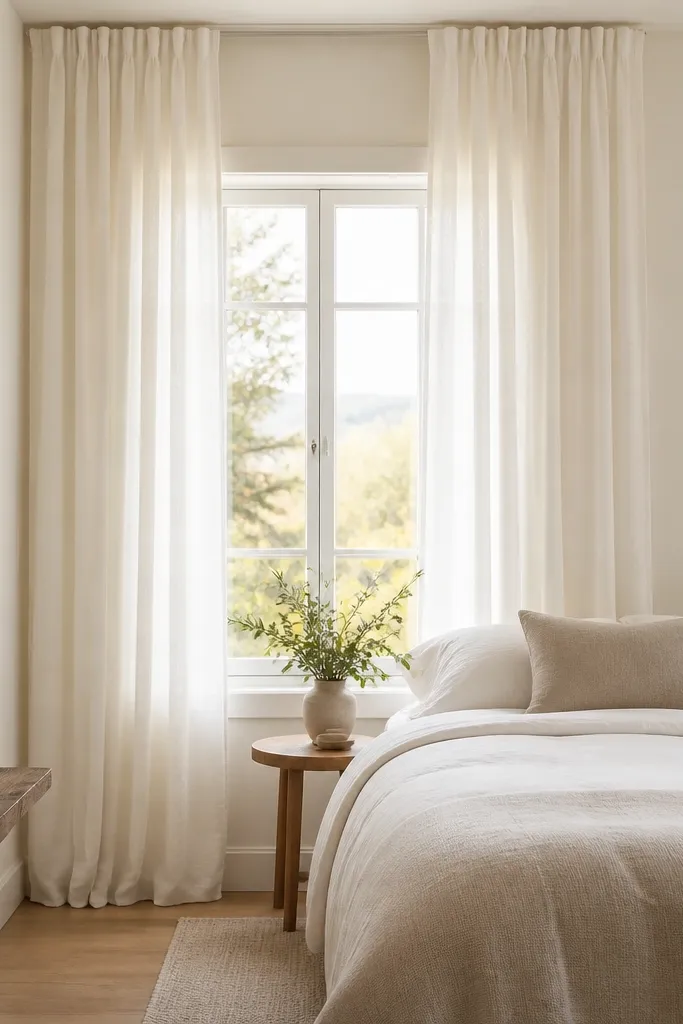
Ceiling-to-floor curtains that match the wall color make the walls look taller. That vertical trick is what gives the Very Small Bedroom Ideas aesthetic its airy, pulled-together feel. I like linen-blend curtains because they have a soft texture and don’t shine like polyester. When the curtain color matches the wall, your eye doesn’t stop at the window area — it keeps moving up and out. This looks good on every skin tone because it doesn’t introduce competing cool or warm undertones in the room lighting. It’s also forgiving if your window trim is imperfect.
Start by installing a rod 3-5 inches above the window trim and as wide as the window plus 6-10 inches total on each side. Use panels that are 2-3 inches longer than the floor height so they skim the floor instead of ending mid-wall. Pick a fabric with enough weight to hang straight; thin sheers make the window feel unfinished. Finally, add a simple tieback only if you need it — otherwise keep the panels open and let them fall naturally.
Good to knowSteam the curtains before hanging and again after the first week; linen relaxes and looks better after it settles.
AvoidAvoid curtain rings that bunch the fabric — it creates ugly folds that look cheap.
5. Bedside table swap: floating shelf + plug-in wall sconce
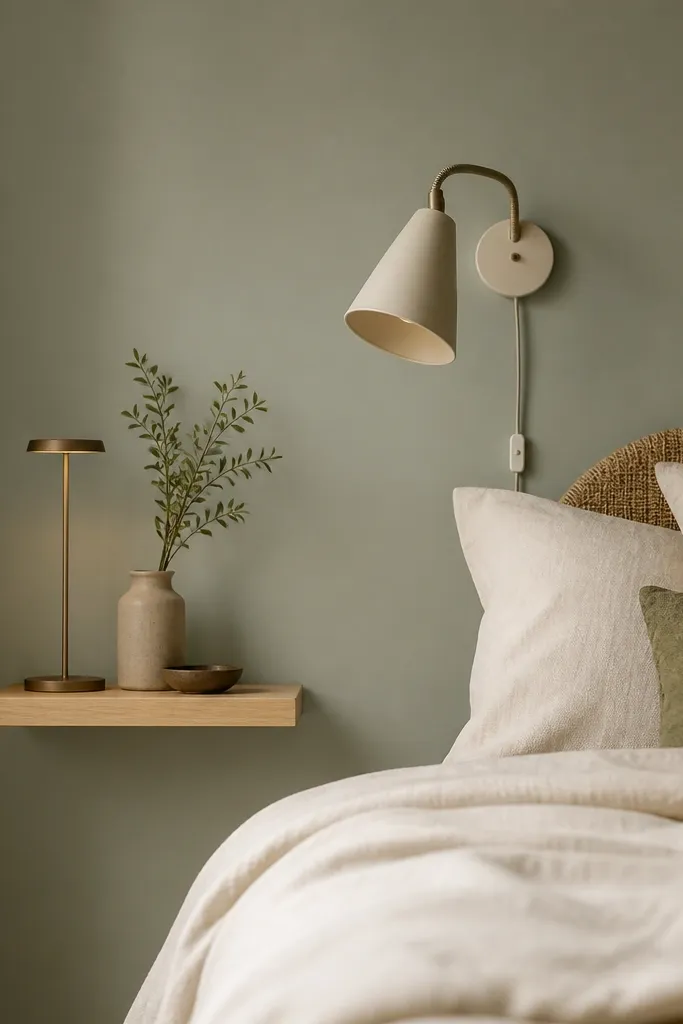
I’m obsessed with this combo because it removes two bulky items and replaces them with light and function on the wall. A wall sconce gives you the warm bedtime glow without needing a nightstand footprint. The floating shelf is just for a book and a charging station, so it stays tidy. Sage-painted walls make the room feel calm, but the cream bedding keeps it bright. This works well if you read in bed — you get focused light without a lamp base taking space. The aesthetic is clean and modern, but still cozy because the light is warm.
Start by choosing a wall sconce with a downward shade and warm bulb (2700K). Mount it so the light hits your pillow area, usually around 40-45 inches from the floor depending on your mattress height. Add a floating shelf right below or slightly offset, and keep it under 10 inches deep. Style it with one book standing upright and a slim tray for glasses or lip balm. Use a cable sleeve and route the plug neatly behind the shelf line.
Good to knowPick one warm metal finish for everything — sconce, lamp hardware, and picture frames — so the room looks intentional.
AvoidAvoid mixing shiny metals (chrome + brass + nickel) in the same tiny corner.
6. Corner desk that becomes a vanity when you add a mirror
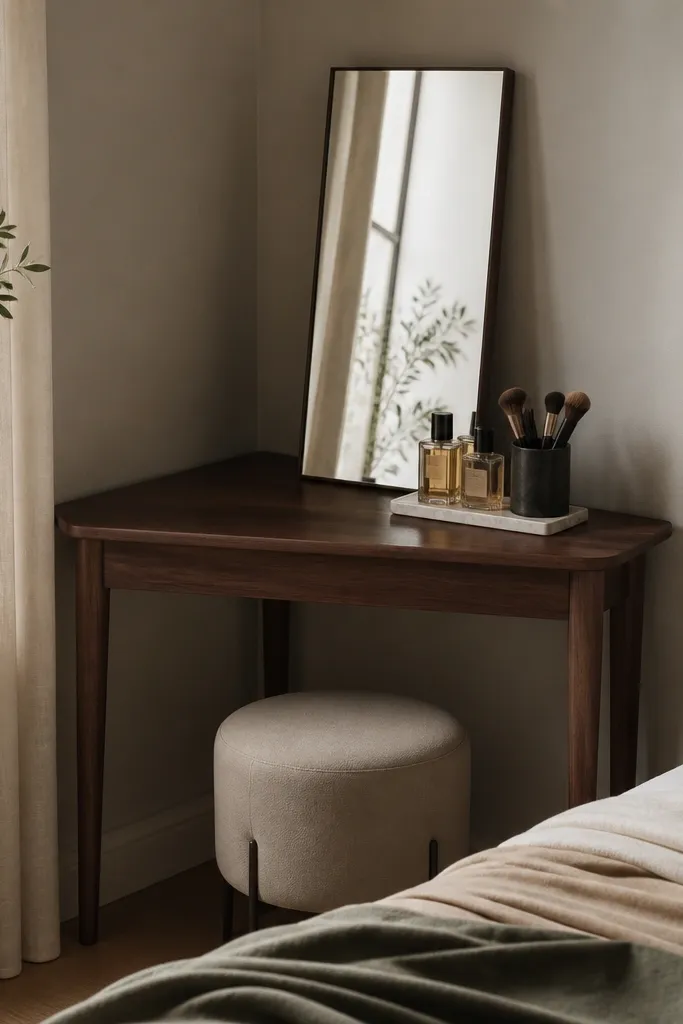
A corner desk is a smart way to get a workspace without stealing your main wall. In a Very Small Bedroom Ideas aesthetic, corners are gold because they’re usually dead space. When you add a mirror behind the desk, it reads like a vanity, not a random workstation. I like walnut or dark oak surfaces because they ground the room and hide small scuffs from daily use. This setup works for people who need morning routines — hair tools, skincare, and a place to lay out clothes. It also looks good with warm lighting because mirrors reflect that glow instead of harsh overhead light.
Start by picking a desk width of 24-28 inches so you can still walk past it. Place it so the chair faces inward, not into a walkway. Lean a mirror or mount one so the reflective surface catches daylight from your window. Add a single tray and one organizer — keep it to two heights max so it doesn’t look crowded. Finally, use an LED desk lamp with a warm tint and a simple cord that runs along the base.
Good to knowIf you can, mount a small hook rail on the side of the desk for a robe or headphones.
AvoidAvoid a desk with thick legs and wide arms — they block knee space in tiny rooms.
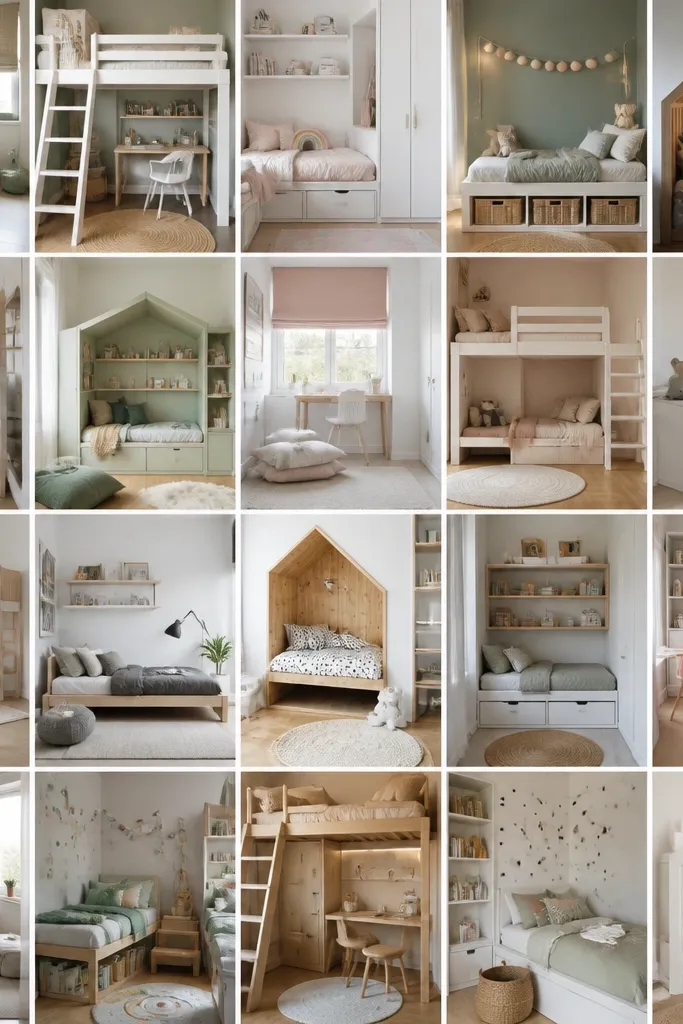
7. Twin bed with trundle and a single color duvet
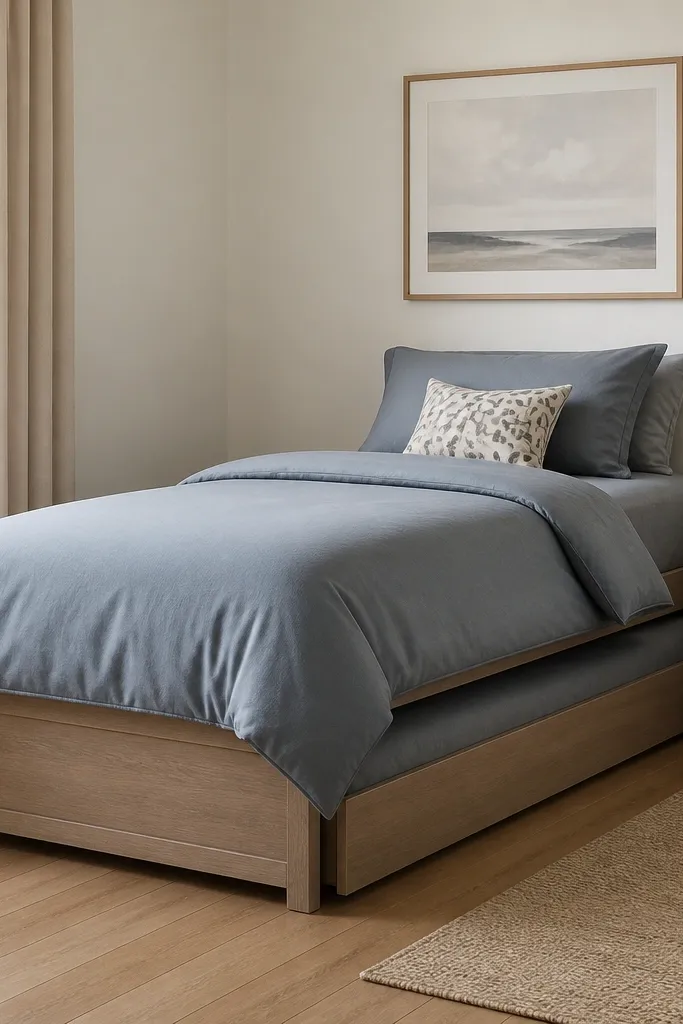
A twin + trundle layout is one of the cleanest ways to get sleeping flexibility without adding a full second bed. The aesthetic works because both sleeping surfaces use the same duvet color, so your eye reads one cohesive area. I like muted blue-gray because it looks calm in daylight and doesn’t feel too cold at night. This setup fits guest rooms or kids rooms, but it also works for adults who want extra floor space during the day. When the trundle is tucked, the room looks intentional, not like you’re storing a second bed. Keep the bedding minimal so the space stays light.
Start by choosing a trundle frame that rolls smoothly and sits low enough that you can access drawers underneath if you add them later. Use the same duvet color on both the top bed and the trundle mattress so there’s no visual mismatch. Add one throw pillow in a pattern that repeats a color from your wall art. When the trundle is closed, tuck the bed linens tightly at the corners. Add a narrow rug under the front half of the top bed for definition.
Use a fitted sheet with deep elastic so the trundle mattress never looks rumpled after a few weeks.
Avoid mixing three different duvet colors — the room starts to look busy.
8. Under-bed pull-out drawers for clothes, not storage bins
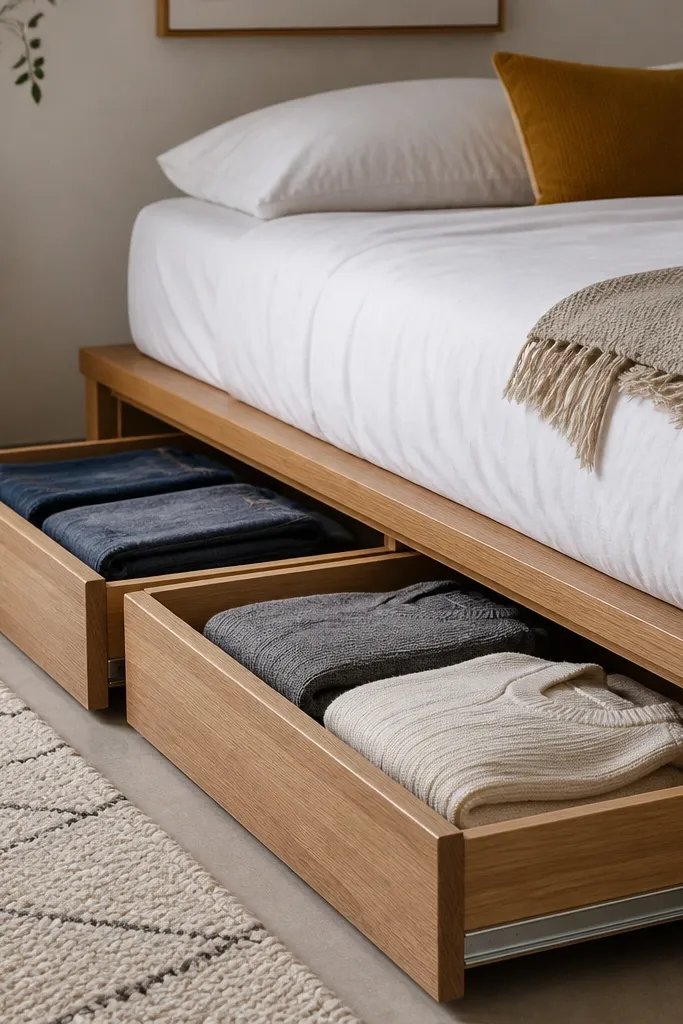
Bins are fine, but pull-out drawers are what make a tiny bedroom feel truly organized. You open one drawer and you can see everything without digging, which stops the mess spiral. I’ve used this in small rented rooms where I couldn’t install a closet system, and it changed the whole vibe. The aesthetic stays calm because drawers have clean lines and a consistent front. Choose drawer fronts in light wood or matte white so the bed area looks bright. This works for anyone who folds clothes and wants fast access in the morning.
Start by checking the clearance height under your bed frame and measuring the drawer depth you can fit without scraping. Get drawer inserts sized to your bed interior and install on tracks if your frame allows it. Fold clothes using the same method for each drawer (I like vertical stacks for tees and hoodies). Keep one drawer for everyday items and one for seasonal — don’t mix too much. Style the bed with a duvet cover that hides wrinkles and a single accent pillow in a warm color.
Good to knowLabel drawers with small printed tape on the inside edge, not the front — it keeps the look clean.
AvoidAvoid overstuffing; if drawers bulge, the room looks cramped immediately.
9. Slim wardrobe cabinet with mirrored sliding doors
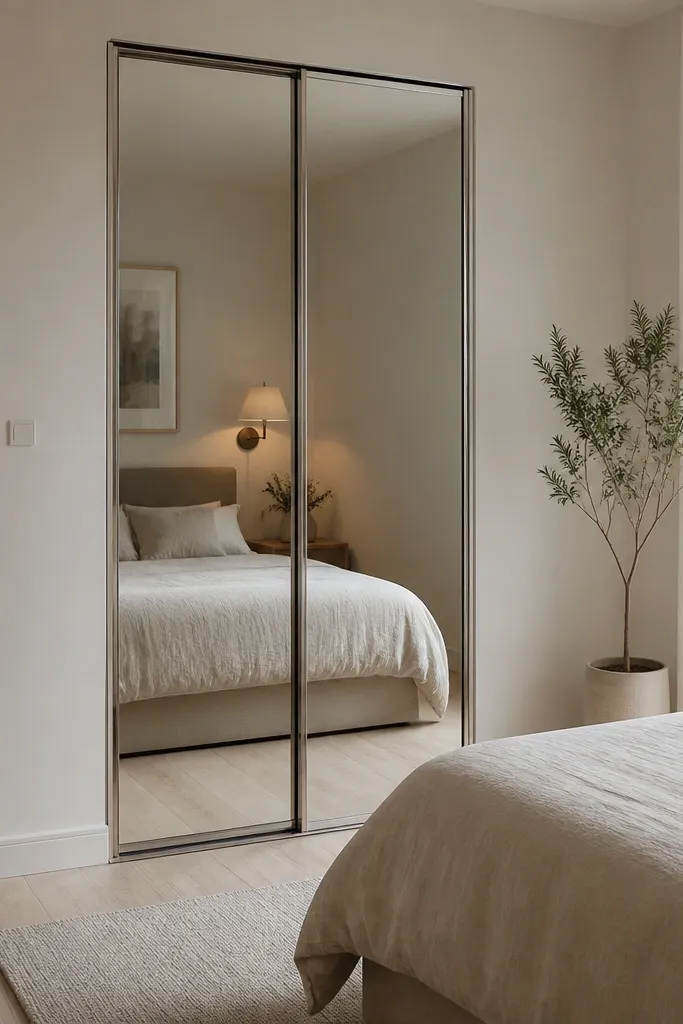
Mirrored sliding doors are a cheat code for Very Small Bedroom Ideas aesthetic because they add reflection without needing extra wall space for a separate mirror. A slim cabinet also keeps the footprint narrow, which matters when your closet door already takes up room. I like matte mirrors with a slight warm tint so the reflection doesn’t look harsh. This look works for people who hate clutter — you can close everything in one motion. It also flatters small spaces because the mirrors visually extend the room. Pair the cabinet with a low bed and light bedding so the reflection doesn’t get too busy.
Start by measuring the wall thickness and the door clearance — sliding doors need space to roll, so check 1-2 inches of wiggle clearance. Choose cabinet depth around 14-18 inches so it doesn’t jut into the walkway. Put the tallest hanging items at the far end and use a second shelf for folded sets. Add one framed print on the opposite wall so the reflection doesn’t look empty. Keep hardware consistent — brushed metal pulls look best in tiny rooms.
Good to knowHang one curtain panel in front of the cabinet opening only if you need privacy; otherwise keep it open for light reflection.
AvoidAvoid glossy high-contrast mirror finishes that turn every lamp into a glare spot.
10. Rug that's wider than the bed footprint
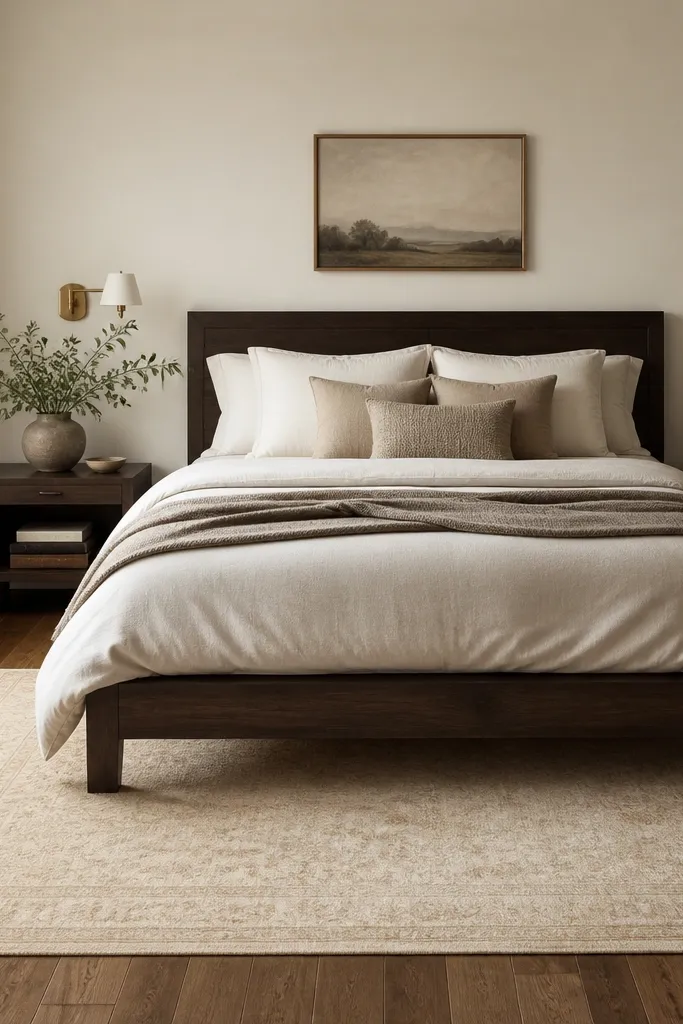
People focus on bed size, but the rug size changes the room’s proportions. When the rug is wider than the bed footprint, your eye reads a larger “zone” and the room feels more cohesive. I like rugs in warm beige, ivory, or light greige because they don’t compete with bedding patterns. A subtle pattern hides everyday wear, which matters more than people admit. This aesthetic looks good in bedrooms where the walls are busy or where you have a lot of small decor items. It also makes the room feel softer underfoot, especially in winter.
Start by measuring your bed width and then choosing a rug at least 6-10 inches wider on both sides. Place the rug so the front legs of the bed sit on it, not just the very center. If your room is very narrow, keep the rug length to under the bed’s front half plus a few inches. Vacuum edges daily for the first week so it lays flat. Match rug undertones to your bedding — if your duvet is warm cream, avoid cool gray rugs.
Good to knowUse a thin rug pad — it prevents sliding and keeps the edges from curling.
AvoidAvoid a rug that stops exactly at the bed edge; it creates a tiny-box look.
11. Vertical wall art strip above the dresser
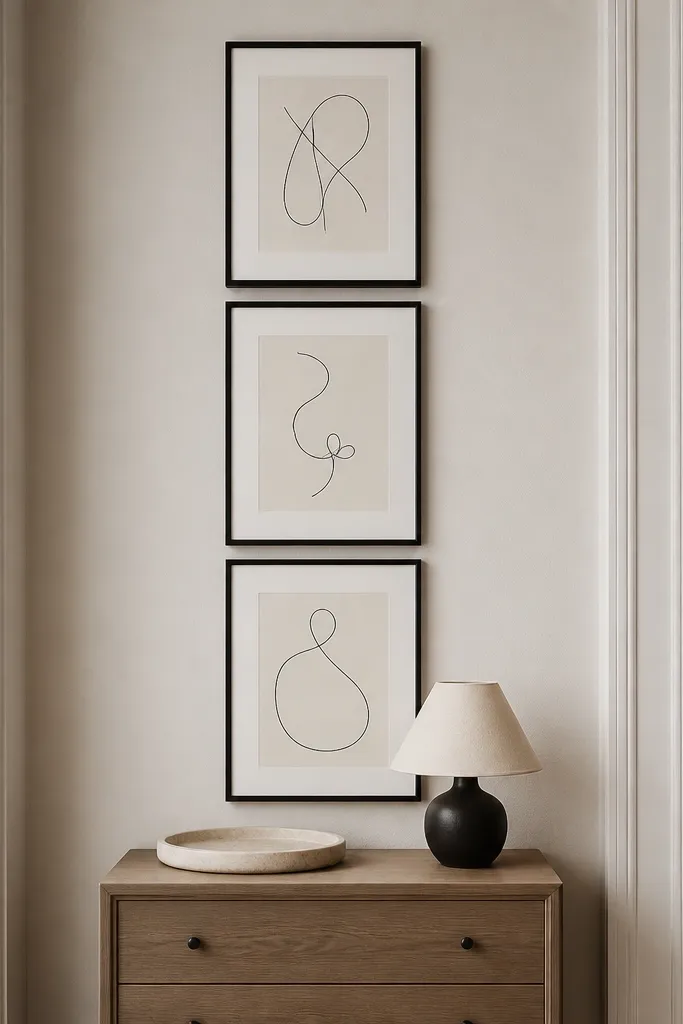
Tiny rooms need art that pulls the eye up without taking over the wall. A vertical strip of slim frames gives you height without cluttering the room with multiple pieces. I like white mats because they create breathing room around the artwork and keep the wall from feeling crowded. Black line art looks crisp and doesn’t blur visually, which matters in small spaces where you stand close. This aesthetic is great if you’re painting your room a soft neutral and want the art to add shape without color chaos. It also flatters people who want a “gallery” feel without big frames.
Start by picking three frames with the same outer dimensions so they look intentional. Hang the bottom frame so it sits around 60 inches from the floor, then space the frames about 2-3 inches apart. Use white mats if your wall is light; use a darker mat if your wall is medium gray or sage. Keep the dresser top minimal and centered — tray and lamp only. Step back and check alignment with the door when it’s open; small walls show crooked hangings fast.
Good to knowUse a level and mark both screw points before you drill — small frame alignment is where most DIYs go wrong.
AvoidAvoid mixing frame sizes and mat colors in a tiny wall strip.
12. Lean mirror on the side wall for instant depth
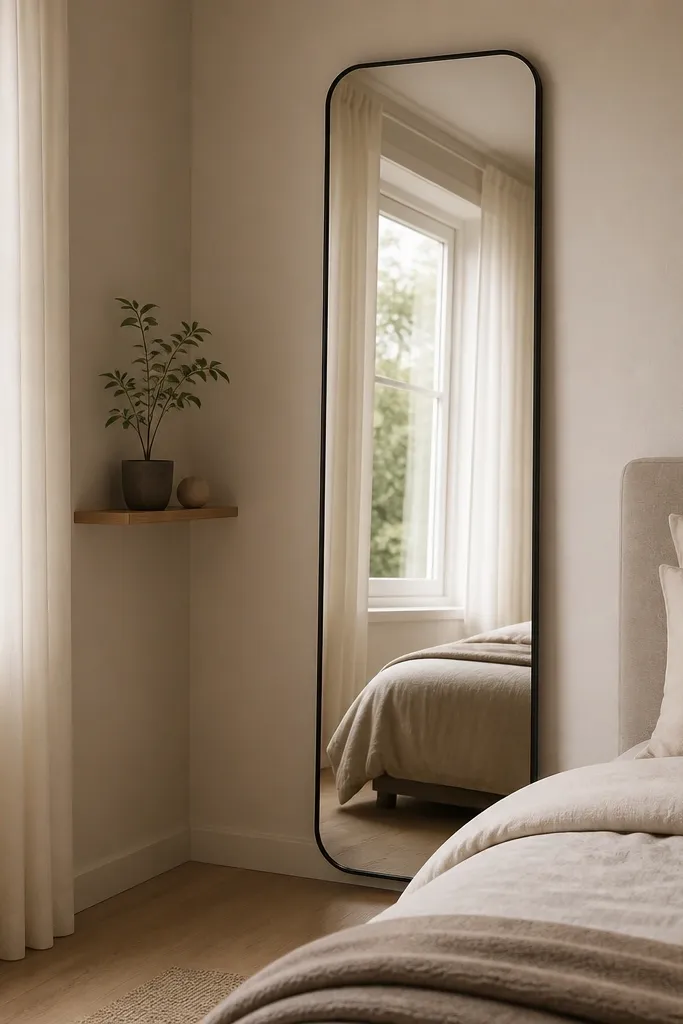
A lean mirror is the fastest way I know to add depth to a small bedroom without installing anything. If you place it so it catches daylight, the room looks brighter immediately, and it also makes your bed area feel less boxed in. Thin black frames look modern and don’t take up visual space. I like mirrors that are tall but not too wide because the room stays balanced. This works well for people who want a Very Small Bedroom Ideas aesthetic but don’t want to commit to a full gallery wall. The mirror also helps you check outfits without adding another piece of furniture.
Start by placing the mirror where it reflects either the window or the brightest lamp — test it by moving it 6 inches at a time. Choose a frame height that reaches at least head height, roughly 60-70 inches. Put it on the side wall where you’ll see it from the doorway, not behind the bed where it feels awkward. Add one small item on a nearby shelf so the reflected area looks styled, like a plant or a small vase. Anchor the mirror with an anti-tip strap to the wall for safety.
Good to knowUse a mirror pad under the frame so it doesn’t scratch hardwood and doesn’t slide when you bump it.
AvoidAvoid a mirror placed facing a cluttered corner; the reflection multiplies mess.
13. Bed skirt with storage pockets in a single color
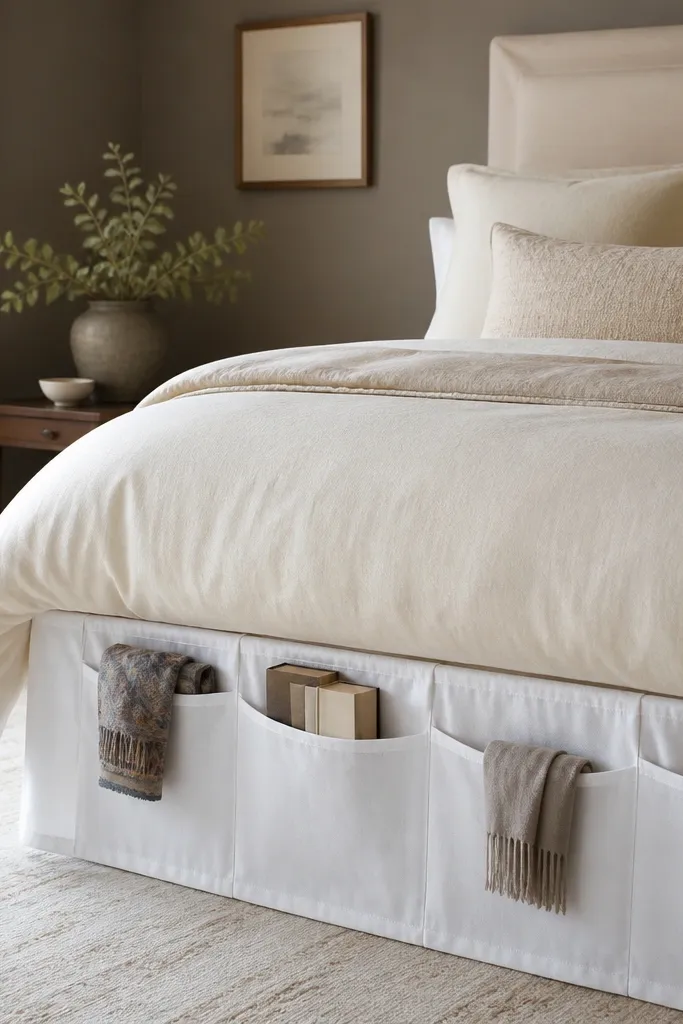
A bed skirt with storage pockets is practical and aesthetic when it’s tailored and monochrome. The pockets hide the stuff that usually ends up on the floor — extra chargers, socks, or a throw you grab at night. I like single-color skirts because they don’t break the silhouette, and the room stays clean visually. Soft white or light oatmeal also makes the bed look brighter and more finished. This is ideal if you have small items that constantly disappear and you don’t want to buy separate bins. It works for most bodies because it keeps the bed line smooth and doesn’t add harsh horizontal bulk.
Start by choosing a bed skirt that matches your duvet color family so the transition is seamless. Install it so the fabric hangs evenly on all sides and doesn’t bunch near corners. Use pockets for categories: one for sleepwear accessories, one for reading items, one for charging cables. Keep the contents flat — bulky items make the pockets look lumpy. Style your bed with one throw pillow set that matches the skirt tone, then stop there.
Lightly iron the skirt after washing; wrinkles show up fast around the bed edge.
Avoid a bed skirt with busy patterns when your bedding is already patterned.
14. Two-tone bedding: white duvet + low-contrast texture pillows
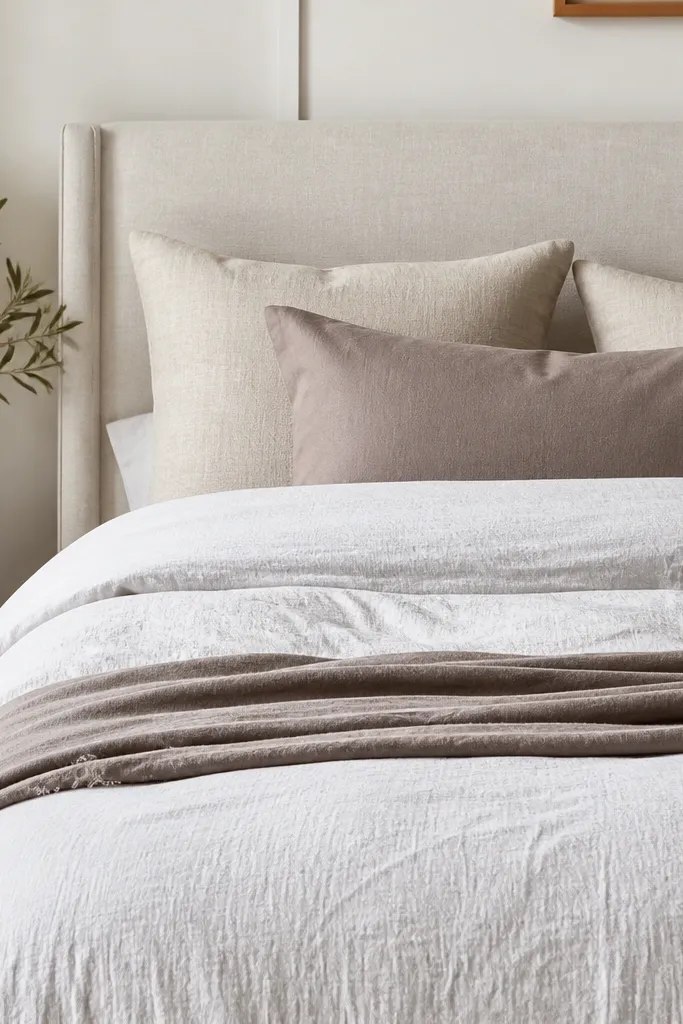
This aesthetic is what I reach for when the room is small but you still want it to feel styled. White duvet gives you the clean, bright base, and texture pillows add interest without adding more colors. Low-contrast tones make the bed look intentional instead of chaotic. I’ve seen this work in rooms with dark floors because the white pulls the eye up and brightens the center. It’s flattering on skin tones because the bedding doesn’t cast colored shadows like some saturated covers do. The styling principle is simple: texture is your pattern, not prints.
Start by choosing a duvet cover in crisp white or warm ivory with a slight texture like cotton sateen or linen weave. Add two pillow covers: one linen in oatmeal and one in taupe or light gray. Keep the throw in the same tone family and fold it once so it looks deliberate. Fluff pillows to create a soft height stack; don’t overstuff or the bed looks bulky. Finish by adding one small framed print above the headboard area so the bed remains the focal point.
Good to knowUse pillowcases with hidden zippers so the seams stay neat and don’t shift.
AvoidAvoid bold prints on multiple pillows in a tiny room; the bed becomes visually loud.
15. Slim wall-mounted floating closet rods with baskets
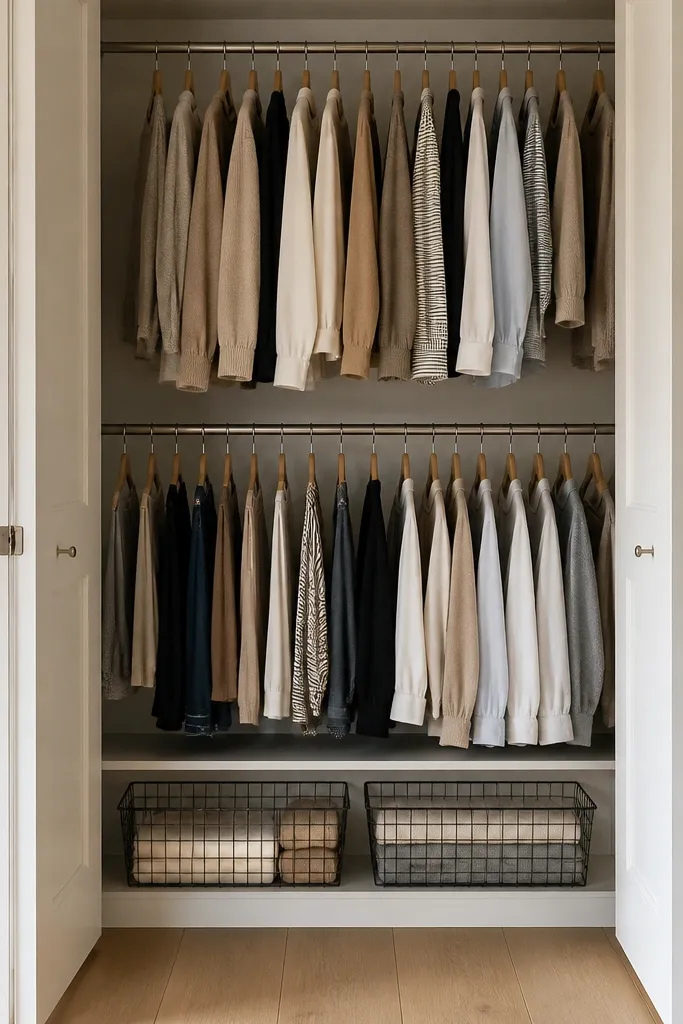
If your bedroom closet is too small to manage, the aesthetic falls apart fast because clothes look like clutter even when they’re folded. Floating rods and baskets make the closet look taller and more orderly, which keeps the room calm. I prefer slim hangers because they reduce the “taco” shape that takes up space. Wire baskets add visual lightness, so the closet doesn’t feel heavy. This setup works for people with mixed wardrobes — shirts on top, folded items below. It also helps you keep the floor clear, which is the biggest driver of a Very Small Bedroom Ideas aesthetic.
Start by removing everything and measuring closet depth and height. Install a top rod about 40-42 inches from the floor for shirts and a lower rod around 64 inches if you hang longer items, or skip the lower rod and use baskets if you don’t. Use slim hangers in one consistent color so the closet looks tidy. Add two baskets on a shelf for folded sweaters and accessories. Keep the closet door opening clear so you can grab items without bumping the bed or dresser.
Good to knowLabel baskets with small tags on the inside edge so you can find things fast without adding clutter outside.
AvoidAvoid overcrowding rods; if hangers touch, everything looks messy immediately.
16. Folding wall desk with a cork board and pen tray
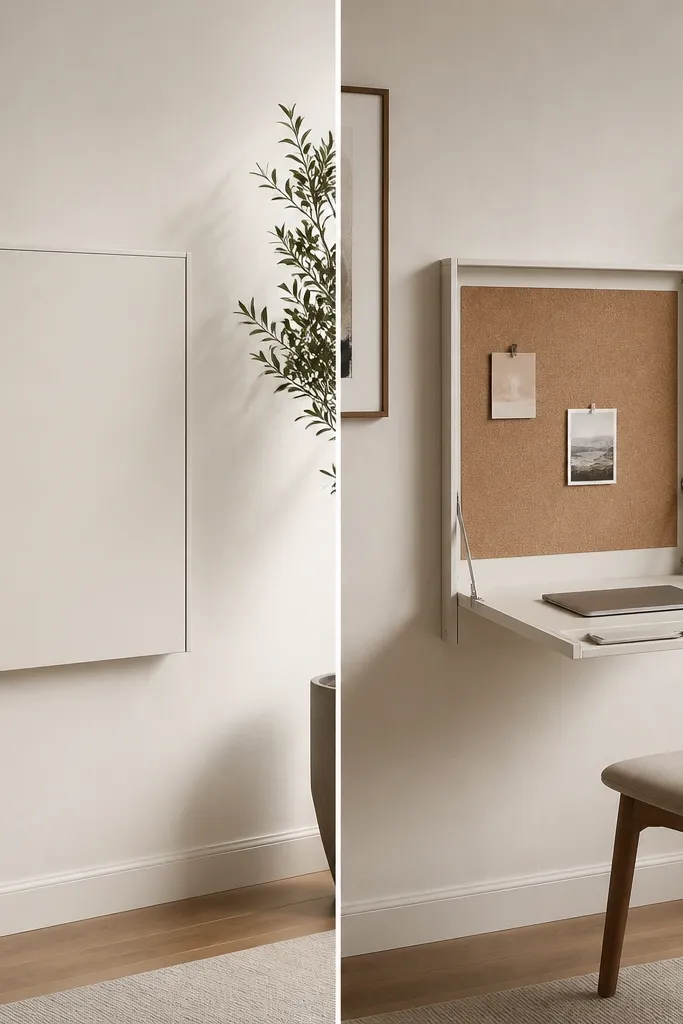
A folding wall desk is the cleanest way to add function in a Very Small Bedroom Ideas aesthetic because it disappears when you’re not using it. I’ve installed these in rooms where a normal desk would block the bed walkway. The cork board above the desk helps you keep notes, not piles. Choose a desk in a light wood finish so it looks airy, and keep the cork board in a natural tan rather than bright red. This setup flatters people who work at home for short bursts — laptop, bill sorting, then close it and reset the room. It also makes the bedroom feel like a retreat since the desk isn’t always visible.
Start by mounting the desk at a height that matches a chair you already own. A common target is 30-31 inches from the floor to the desk surface for a standard chair, but measure your seat height first. Add a pen tray on the side so cords and chargers don’t slide around. Use one small organizer inside a shallow compartment for sticky notes and a notebook. When closed, keep the wall around it clear — one small print or nothing.
Good to knowUse one charging dock and route the cable through the wall or a cord slot so the desk stays tidy when you open and close it.
AvoidAvoid placing a bulky lamp on the fold-out desk; you’ll lose working space and it looks crowded.
17. Low platform bed + tall bookshelf as a partition
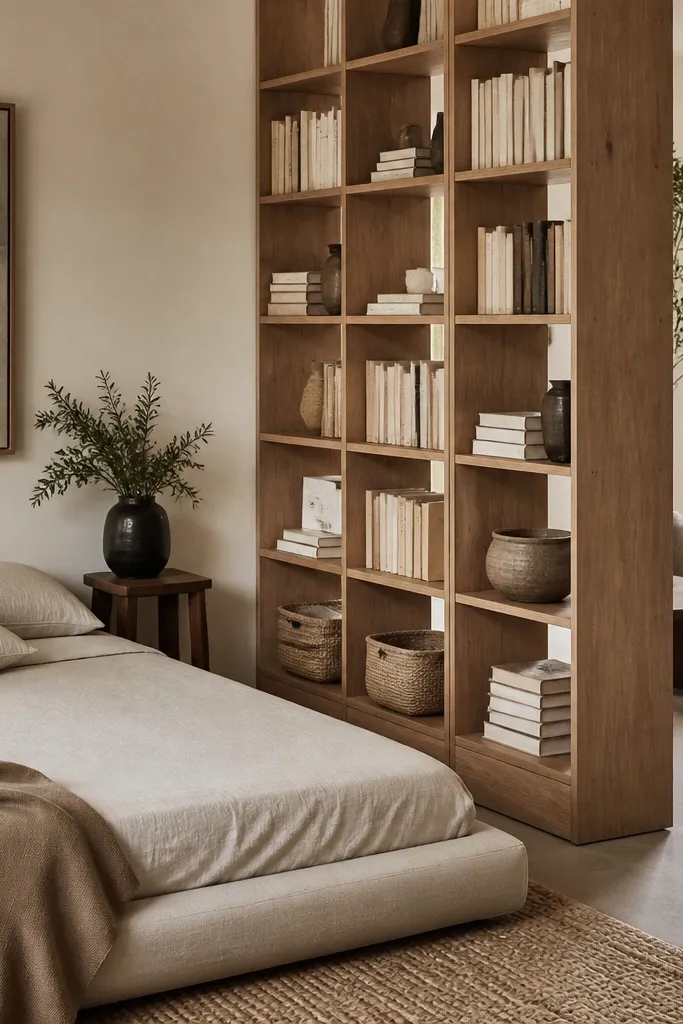
A tall bookshelf can give you structure in a small bedroom by dividing the sleeping zone from the rest of the room. Keep it narrow and placed slightly offset from the bed so it doesn’t look like a wall. I like using neutral book styling — mostly light covers, plus a few dark spines for contrast. This works best when your bedroom is open-plan or when your bed is visible from the doorway. The aesthetic feels curated because the shelf has a purpose, not just decoration. It also helps you hide everyday items in baskets without building more furniture.
Start by choosing a bookshelf width around 10-12 inches so it doesn’t take too much floor space. Place it so there’s at least 24 inches of clearance from the bed edge for getting in and out. Fill the top shelves with books stacked horizontally or standing, but keep the middle section for baskets. Leave one or two shelves intentionally less full so it doesn’t look overcrowded. Style the bed with simple bedding and one or two throw pillows that match the shelf tone.
Use matching baskets in two sizes so the shelf looks consistent even when you’re busy and things shift.
Avoid putting full clutter on every shelf; empty space makes the small room feel bigger.
18. Matte black rail + sheer curtains for a light, modern look
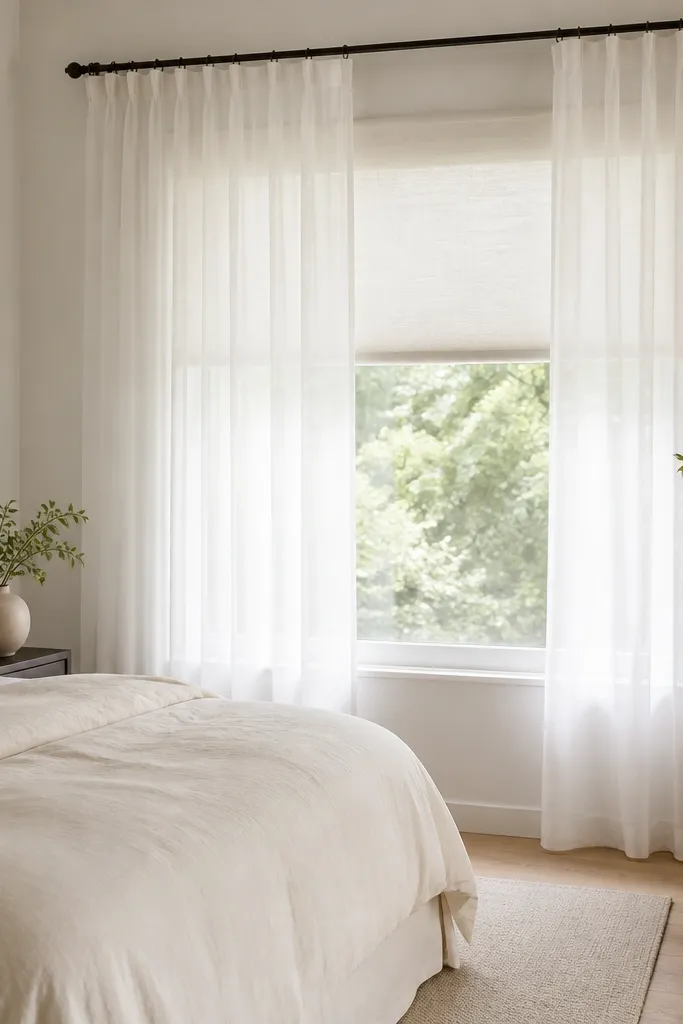
Sheers can make a small bedroom feel lighter when you use them with a roller shade behind. The roller shade controls privacy and glare, while the sheer keeps the room from feeling visually heavy. Matte black hardware adds contrast without adding bulk. I like cream sheers because they don’t turn green or gray in indoor light. This look works for people who want a Very Small Bedroom Ideas aesthetic that feels modern but still soft. It also makes the room feel less boxed in because the fabric lets light pass through.
Start by installing a matte black rod slightly wider than the window and 3-4 inches above the trim. Add sheer panels that are 1-2 inches longer than the floor so they float. Put a roller shade behind the sheers for full coverage at night. Keep bedding in cream or warm white so the sheers don’t compete with patterns. Add one small night light or wall sconce so the sheer fabric glows in the evening.
Iron the sheers lightly and hang them right after steaming so they drape in the right direction.
Avoid sheer curtains that are too short; they make the window look chopped up.
19. Bunk-style storage ladder on the wall for throws
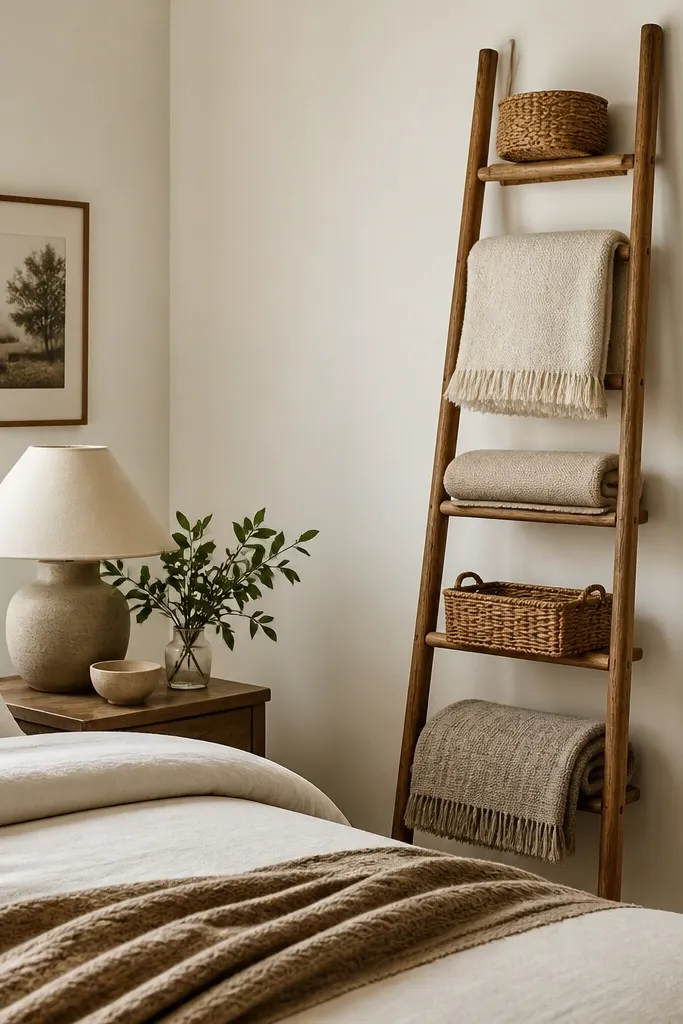
A wall-mounted ladder is a clever way to store throws without buying another bulky cabinet. It’s also aesthetic because the stored items look like decor when they’re folded the same way. I like using throws in two tones — cream and a muted olive or clay — so it reads intentional. This works great in tiny rooms where you want a cozy layer but you don’t want a pile at the foot of the bed. The ladder also adds a vertical line that balances the bed and makes the room feel taller. Keep the ladder thin and mounted securely so it doesn’t feel flimsy.
Start by choosing a ladder that’s narrow enough to leave a clear walking path, usually under 20 inches wide. Mount it so the bottom rung sits at about 10-14 inches from the floor, and secure into studs if possible. Fold throws into rectangles and stack them on each rung so they don’t slide. Add one small basket on the lower rung for charging cables or sleep masks. Style the bed with one throw only — the rest stays on the ladder so the bed stays clean.
Good to knowFold throws using the same width each time so the stack edges line up visually.
AvoidAvoid using mixed-size throws — uneven folds look messy fast in tight spaces.
20. Micro bedside gallery: one floating ledge + two tiny frames
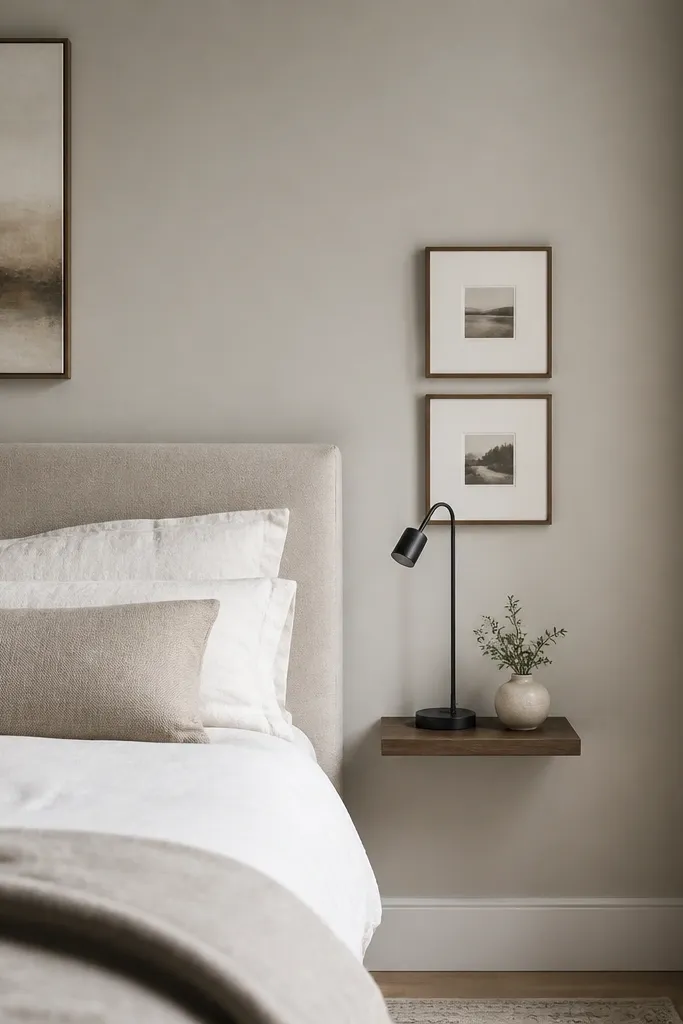
This is how you add personality without adding clutter. In small bedrooms, the mistake is big art plus a lot of decor. Here, the ledge holds one functional item, and the tiny frames bring warmth and style. White mats make the frames look crisp and keep the wall from looking crowded. I like this approach when the bed headboard is already detailed or when the room has a window that needs attention. It flatters the eye because the composition is compact and balanced around the bed. You end up with a Very Small Bedroom Ideas aesthetic that feels curated but not busy.
Start by installing a floating ledge about 10 inches deep, placed at a height where your lamp shade won’t block your view from bed. Hang two tiny frames above the ledge with consistent spacing, usually 2 inches between them. Choose art with similar color tones to your bedding, like black line drawings on cream paper. Keep the ledge styling to one lamp, one small tray, and one charging cable tucked behind. Stand back and check alignment from the doorway; tiny walls show crooked frames immediately.
Use frames with the same thickness and matte finish so they don’t fight each other.
Avoid adding three or four ledges; one ledge reads intentional, multiple reads like clutter.
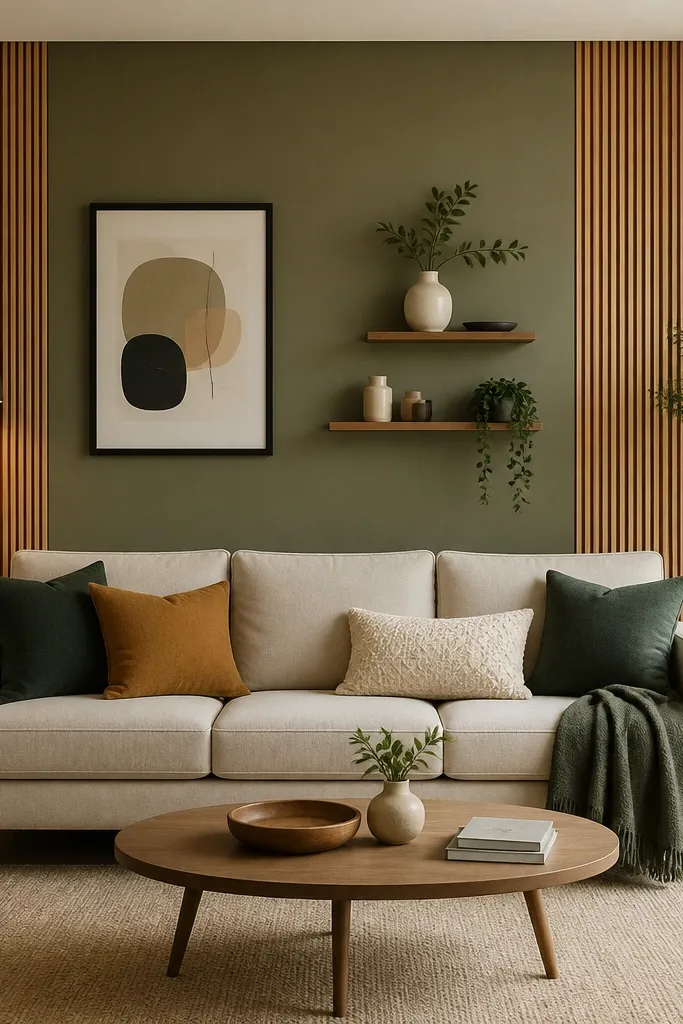
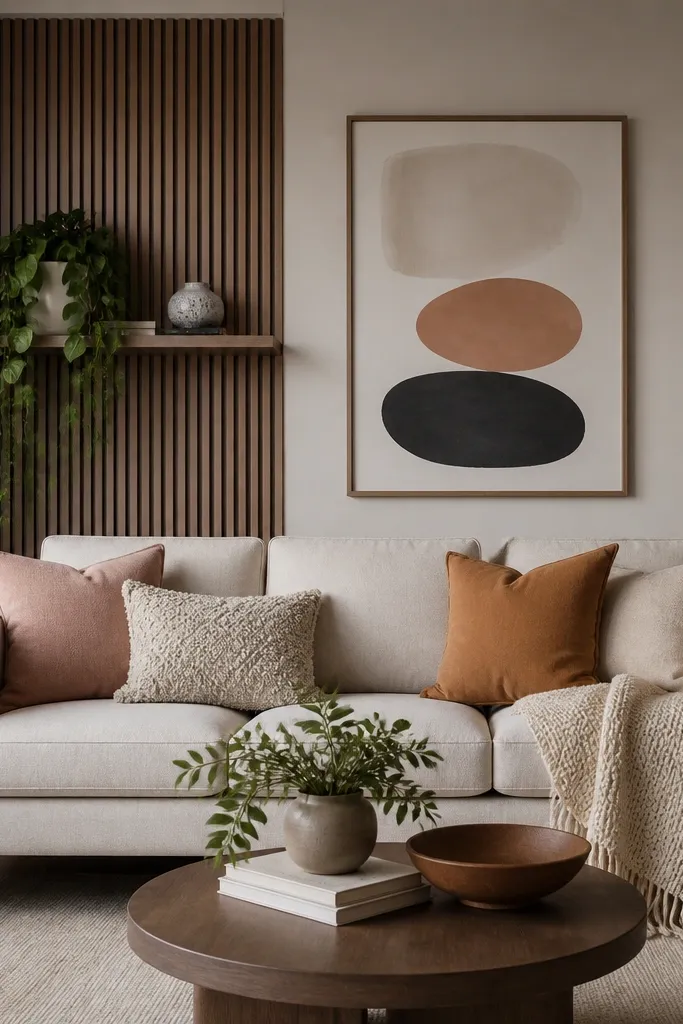
21. Monochrome paint plus one warm wood accent wall behind the bed
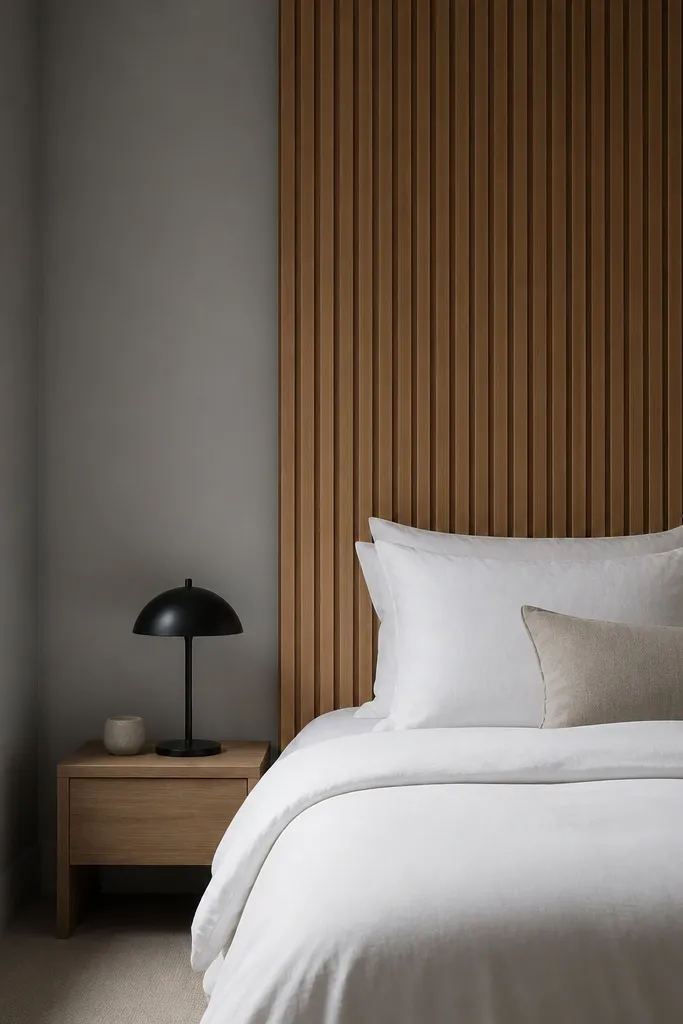
A warm wood accent wall behind the bed gives you a focal point so the room doesn’t need a lot of furniture to look designed. I’ve used this in tiny bedrooms where the layout is awkward and you need the eye to land somewhere intentional. Monochrome paint keeps the room calm, and the wood slats add texture without adding color chaos. The contrast makes bedding look sharper, especially white or cream duvet covers. This aesthetic flatters most lighting because wood slats warm up cool bulbs and keep the room from feeling sterile. It also hides minor wall imperfections that tiny rooms reveal.
Start by painting the entire room in one monochrome color, then plan the accent wall area to match the bed width plus 4-6 inches on each side. Install wood slats vertically or in a simple grid; vertical slats make the wall feel taller. Keep the slat finish warm — natural oak or walnut tone, not too red. Style the bed with white linens and one black or bronze accent item so the accent wall doesn’t steal everything. Add a simple rug in light beige to soften the floor area and keep the room from feeling too sharp.
Good to knowUse warm bulbs at 2700K so the wood looks cozy instead of orange-red.
AvoidAvoid a high-gloss accent wall; glare makes small rooms feel harsher.
22. Storage ottoman at the foot of the bed with a removable tray top
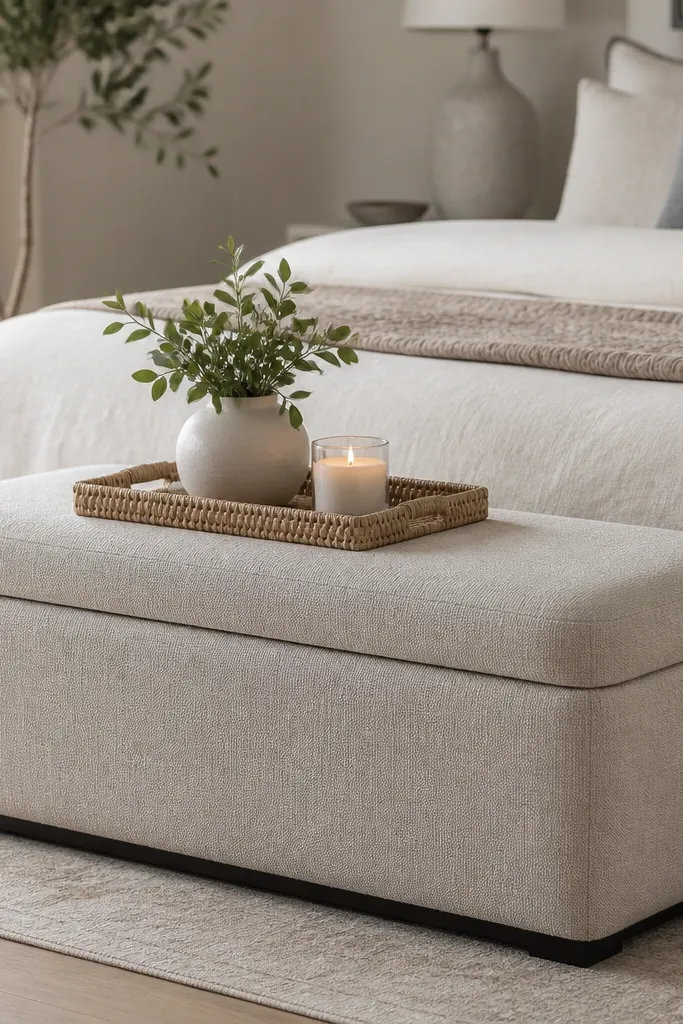
This is the “one piece does three jobs” move I rely on when the room is too small for a second chair. The ottoman gives you storage for spare linens and a place to sit while you put on socks. A removable tray makes it look styled instead of like a random bin. I like upholstery in oatmeal or light taupe because it hides wear and blends with most bedding. This works for people who like a tidy look but still need a functional landing spot. It also keeps the bed area balanced because the foot of the bed becomes useful, not empty.
Start by choosing an ottoman height that doesn’t block getting into bed easily, usually 16-18 inches from the floor. Place it centered at the foot, leaving at least 24 inches clear for walking if you’re on one side of the bed. Style the top with a removable tray so you can clear it quickly when you want to open the lid. Store seasonal items in the ottoman and keep daily items out of it to prevent clutter. Match the ottoman color family to your bedding throw or pillow so everything looks connected.
Pick a tray with a matte finish; glossy trays reflect light and can make small rooms feel busy.
Avoid a tall ottoman; it makes the bed look smaller and crowds the room.
23. Hanging organizer behind the door for shoes and small items
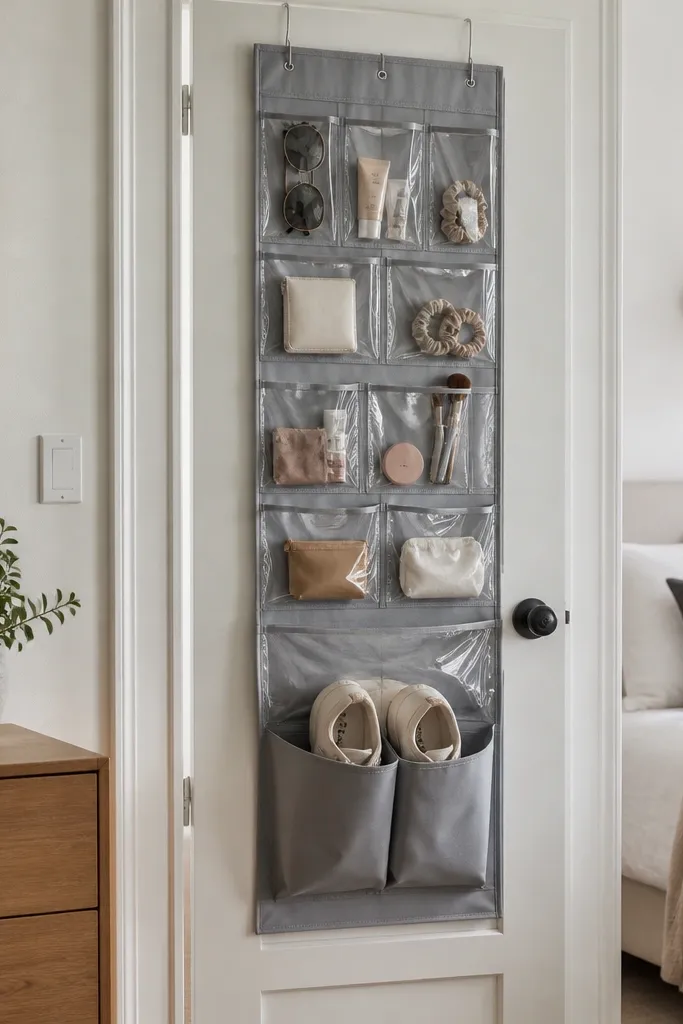
Behind-the-door storage is where small rooms win. It keeps shoes, scarves, and charging accessories from taking up floor space near the bed. The aesthetic is clean because the organizer stays vertical and out of the main sightline. I like organizers with neutral fabric and clear pockets so you can see what’s inside without opening everything. This works for people who wear multiple shoe types or who keep small items near the door. It also keeps the room from looking like it’s constantly mid-mess, which is the fastest way to make a tiny bedroom feel calm.
Start by measuring the door width and checking where the doorknob sits so the organizer pockets don’t hit it. Choose an organizer with a top hook and enough pocket sizes for your real items — I aim for 4-6 pockets plus a shoe section. Install it so the bottom edge clears the floor by about an inch. Use one pocket for daily accessories, one for charging cables, and the bottom slots for shoes you grab quickly. Keep the door area visually simple: no extra baskets or stacks nearby.
Good to knowWipe pockets with a damp cloth every few weeks; dust builds up fast behind doors.
AvoidAvoid overfilling pockets; if they bulge, the organizer looks messy instead of tidy.
24. Ceiling light swap to a flush mount with frosted glass
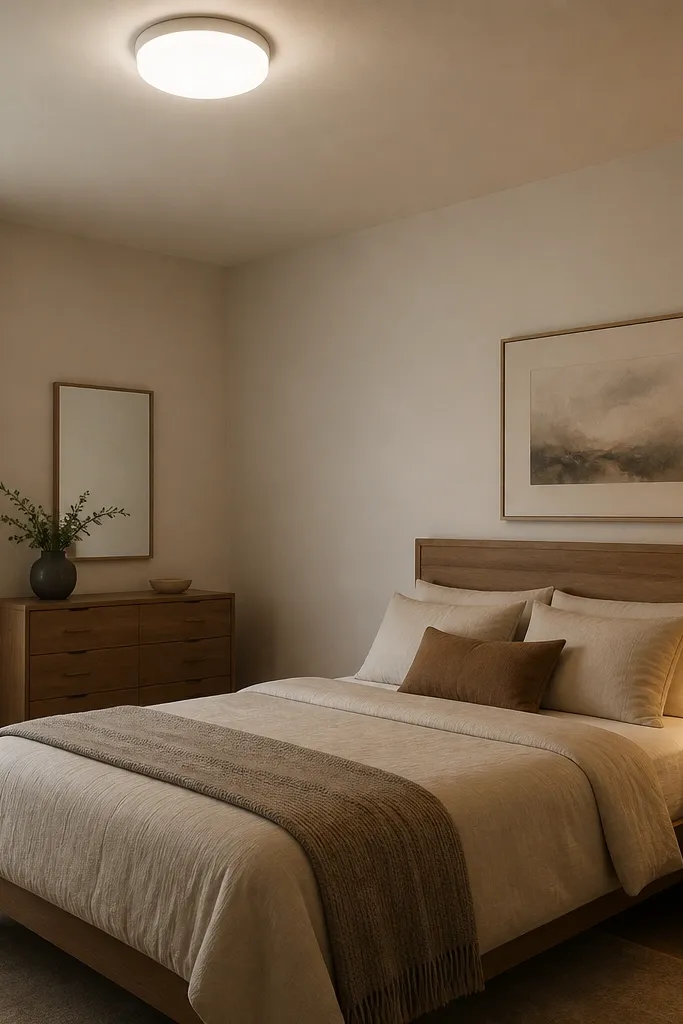
Lighting is where small bedrooms either look cozy or look cramped. A flush mount with frosted glass spreads light across the room instead of creating harsh pools that highlight clutter. I’ve replaced older bulbs in tiny rooms and watched the whole space feel bigger because shadows soften around the bed and dresser. Warm bulbs at 2700K matter more than people think, especially with light walls. This aesthetic works for anyone who hates the “ceiling light glare” that makes mirrors and bedding look flat. It also makes the room feel calmer when you turn it on for night routine.
Start by removing the old fixture and checking the electrical box rating. Choose a flush mount with frosted glass and a low profile so it doesn’t visually drop into the room. Install with the correct wattage and bulb type, then immediately replace with a 2700K bulb. Test light placement by turning it on and walking around the room; you want even brightness near the bed. Finish by adding one warm lamp or wall sconce so you get layered light instead of one harsh source.
If your walls are textured, frosted glass reduces the shine that makes textures look rough.
Avoid bulbs that are too cool (5000K) — they make neutrals look gray in small rooms.